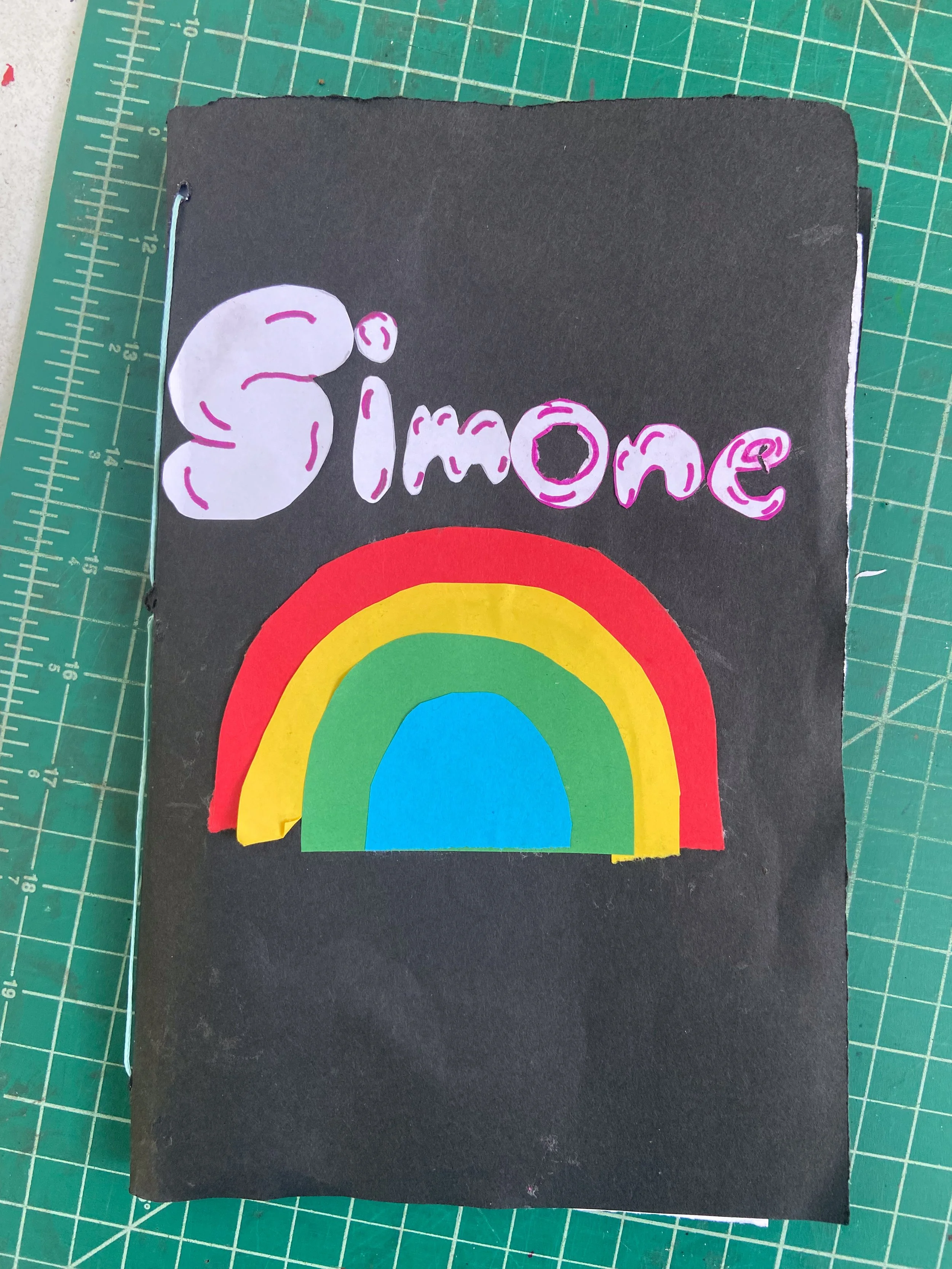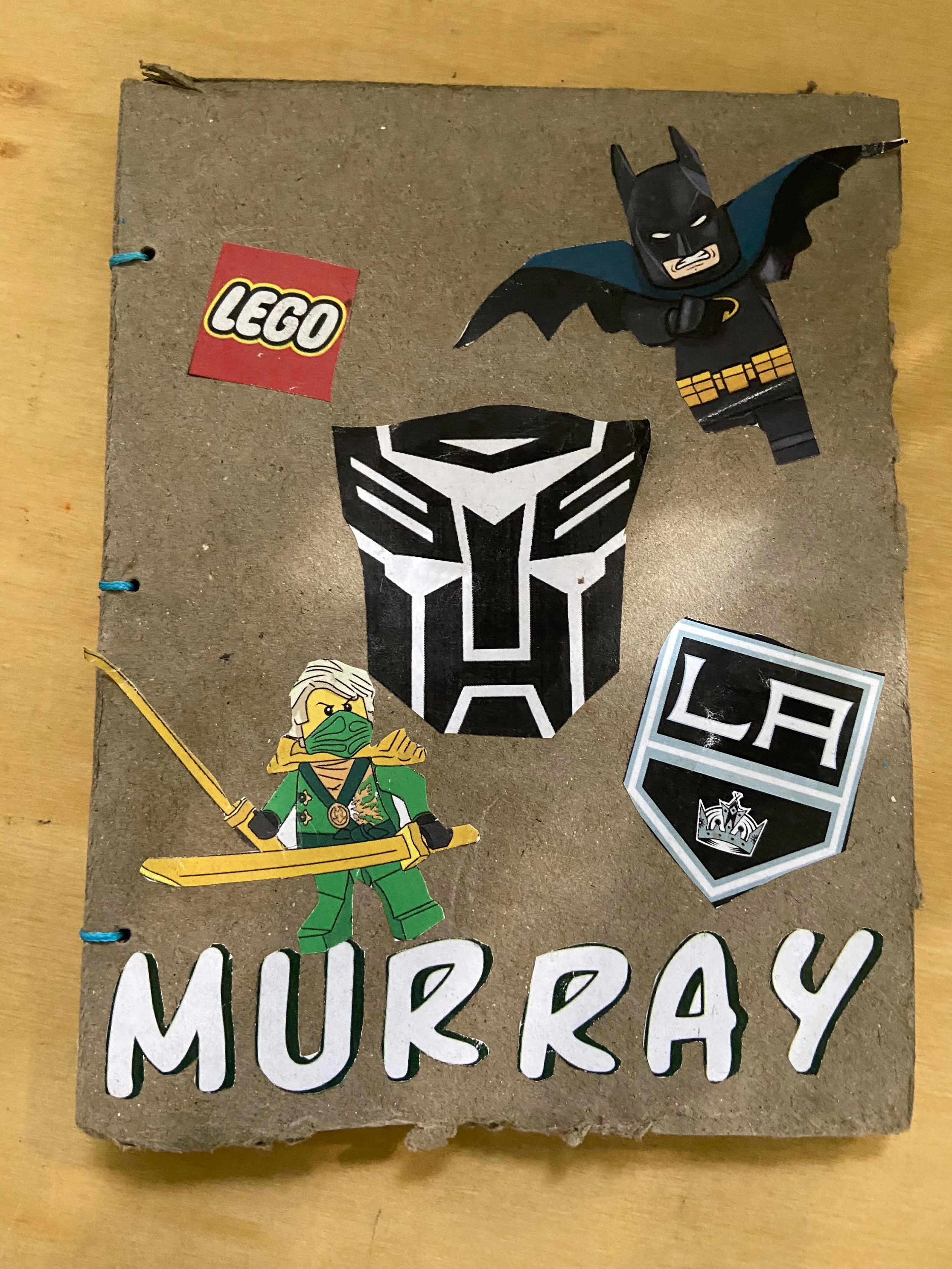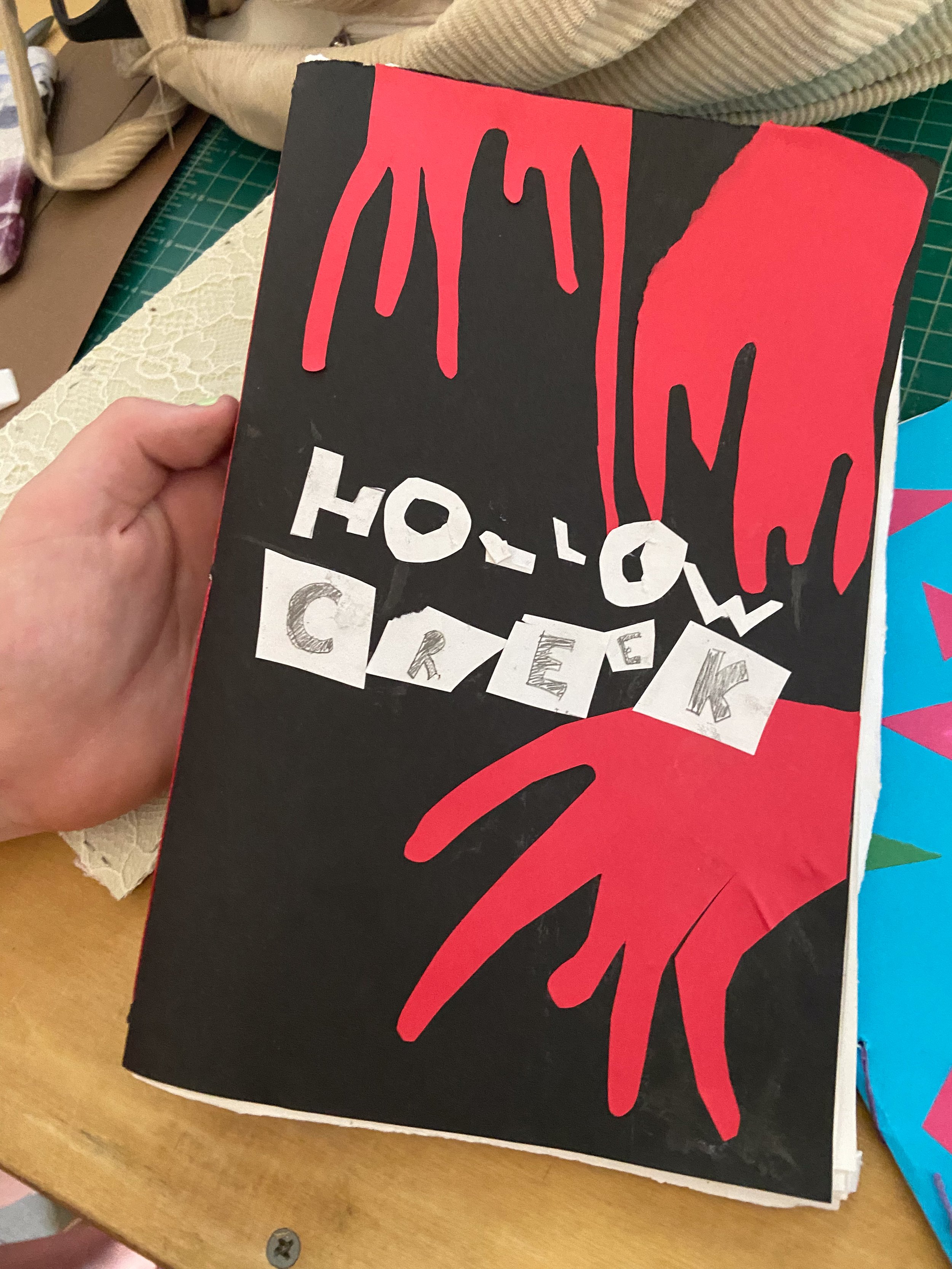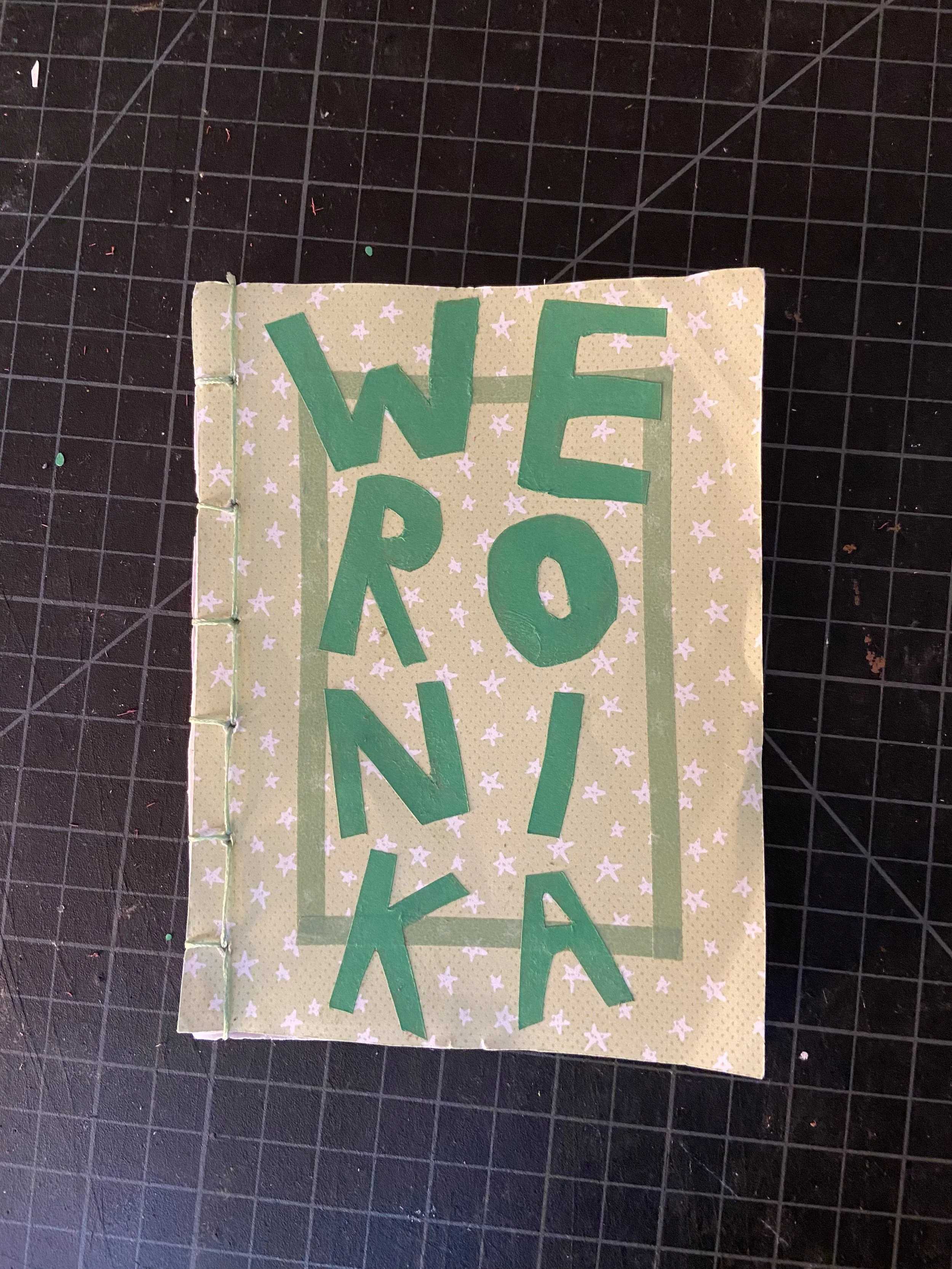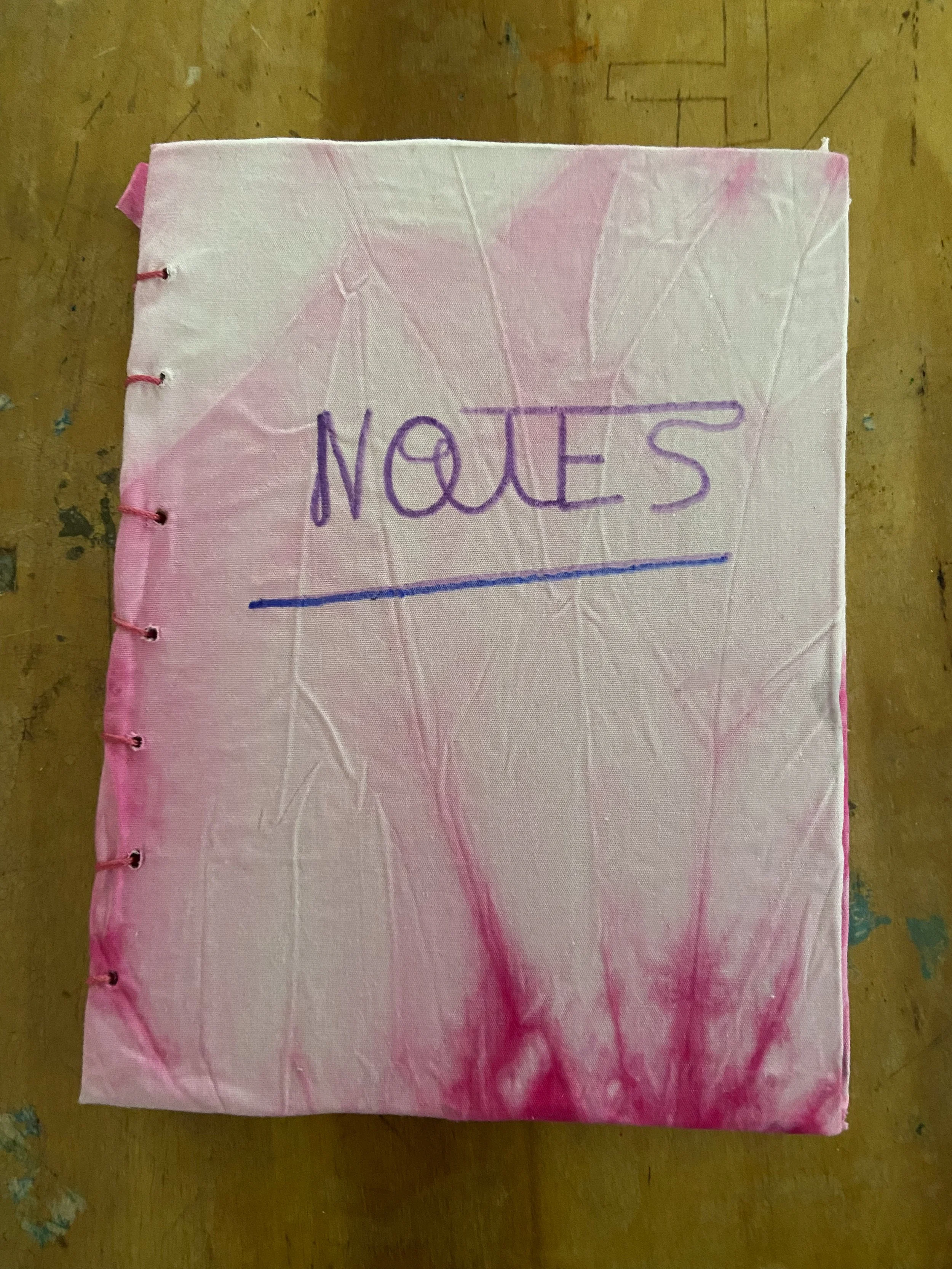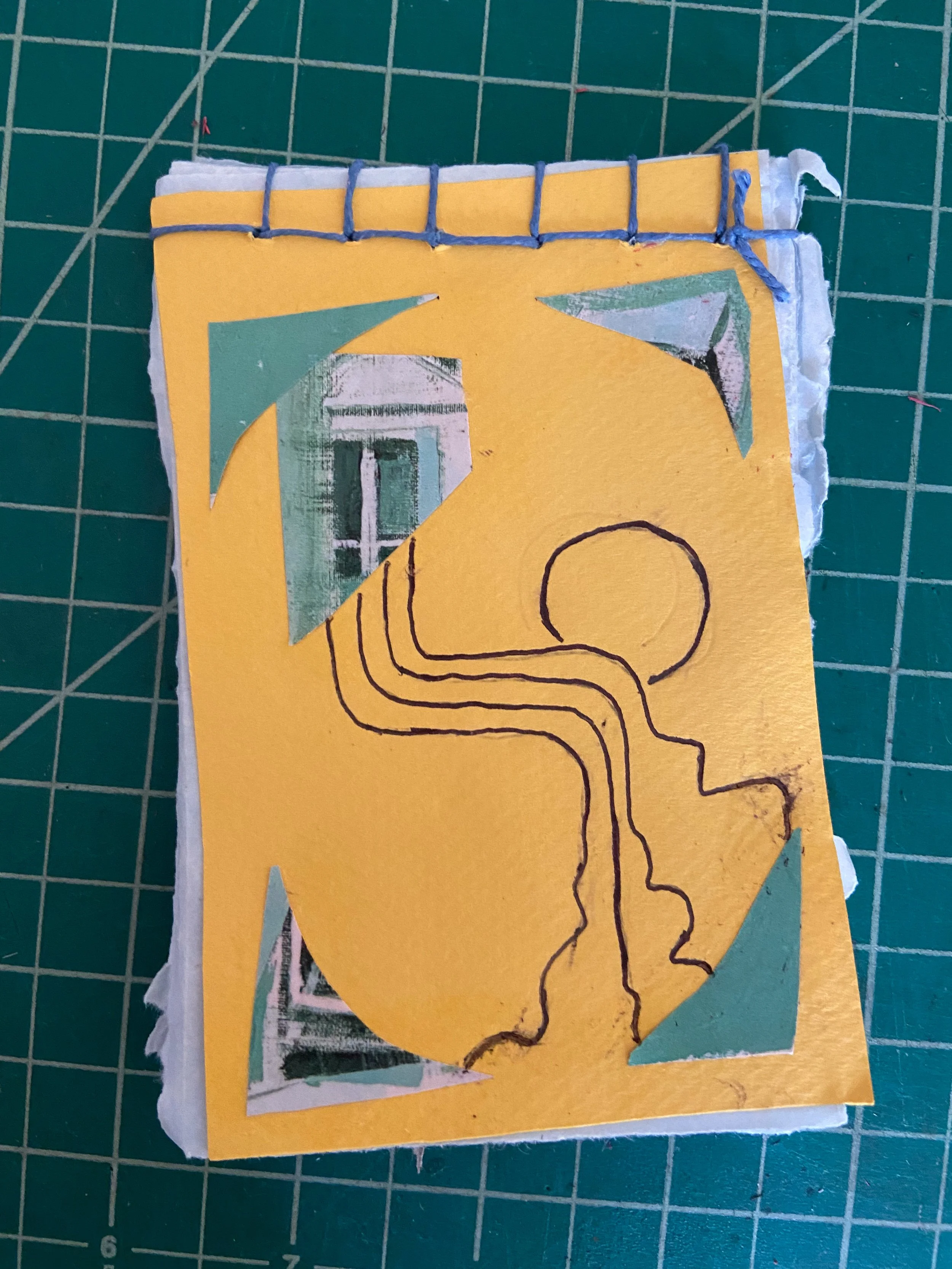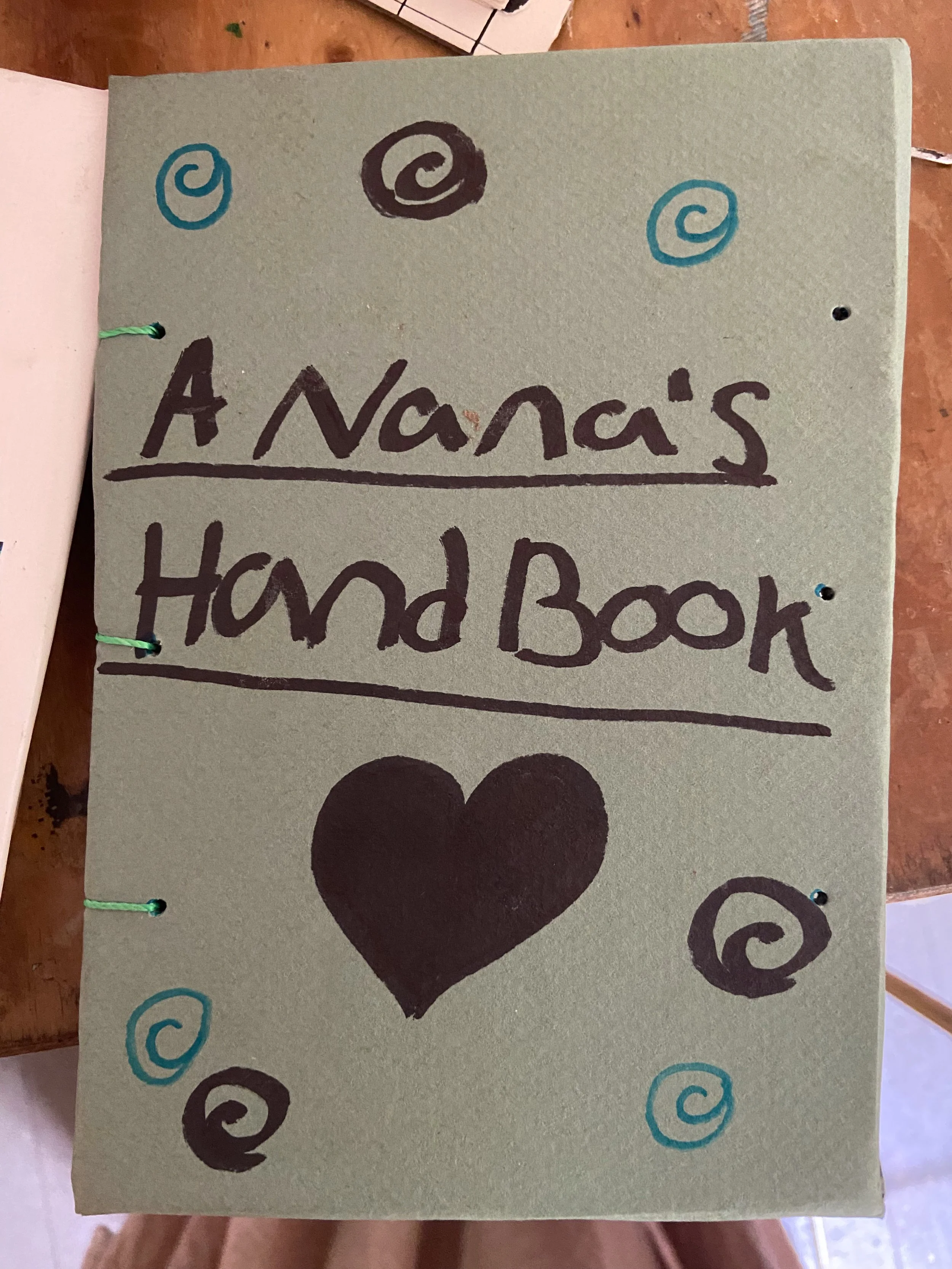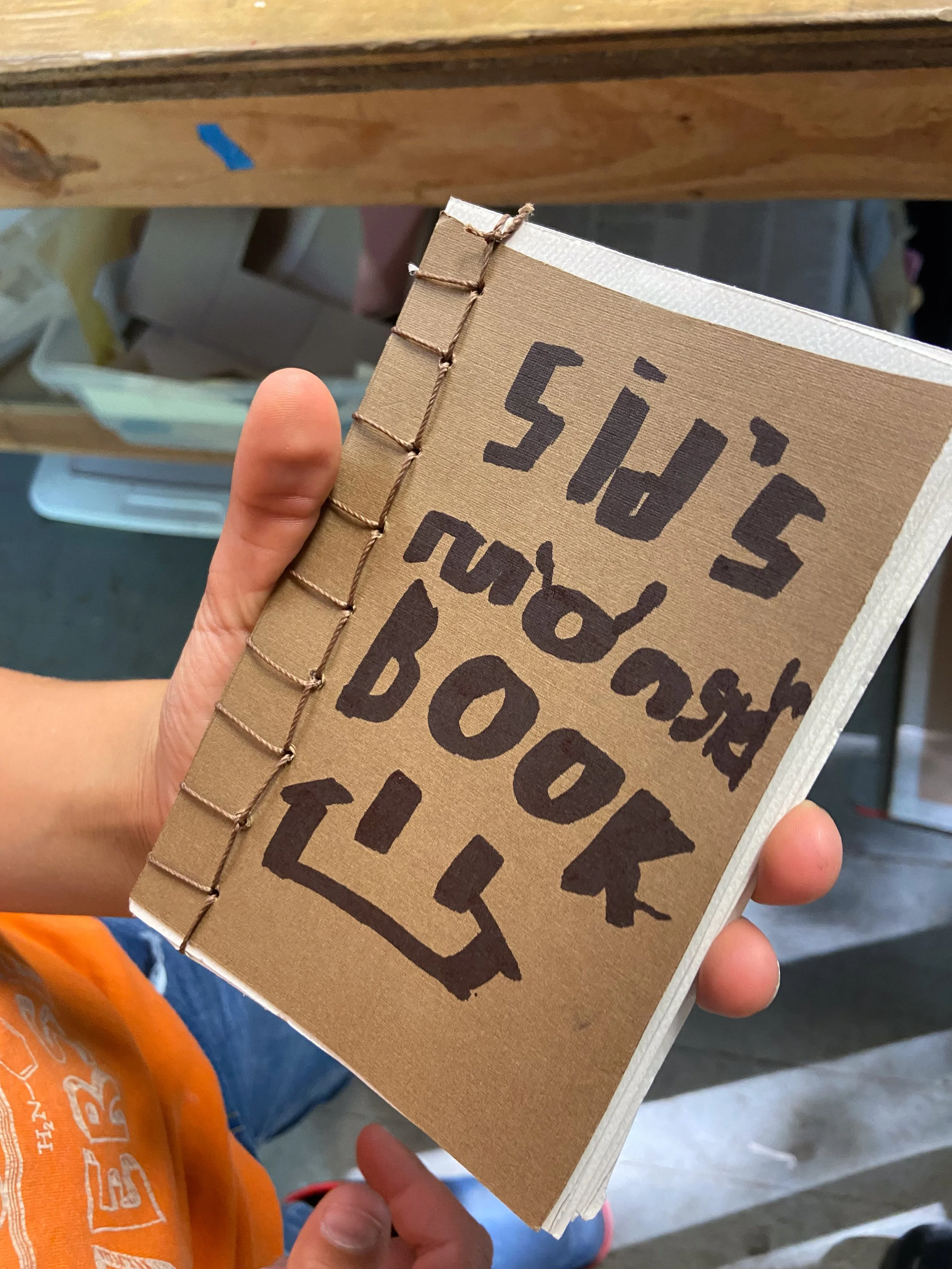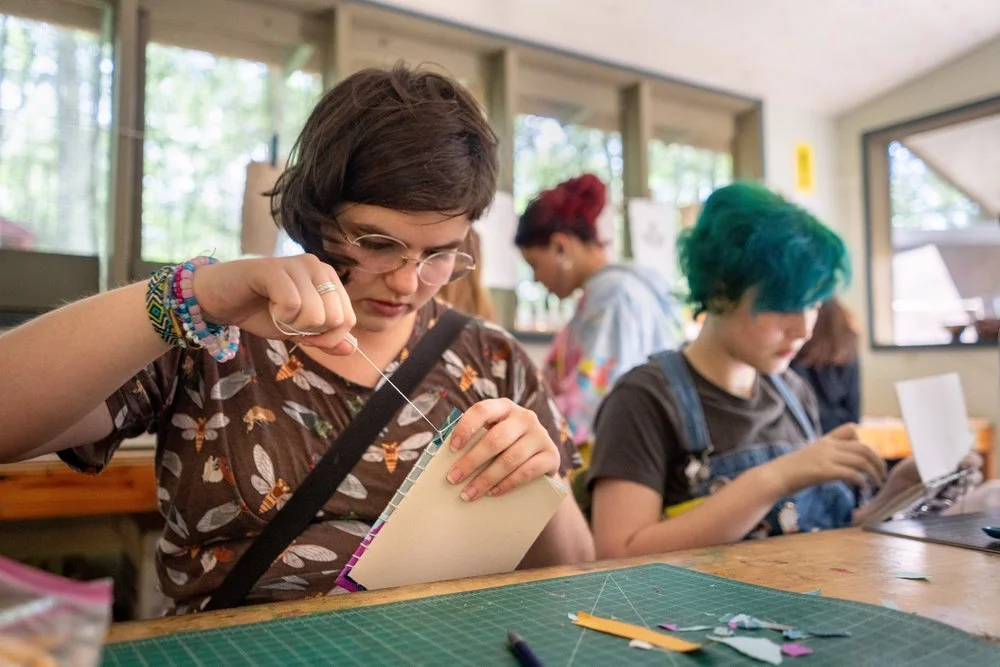
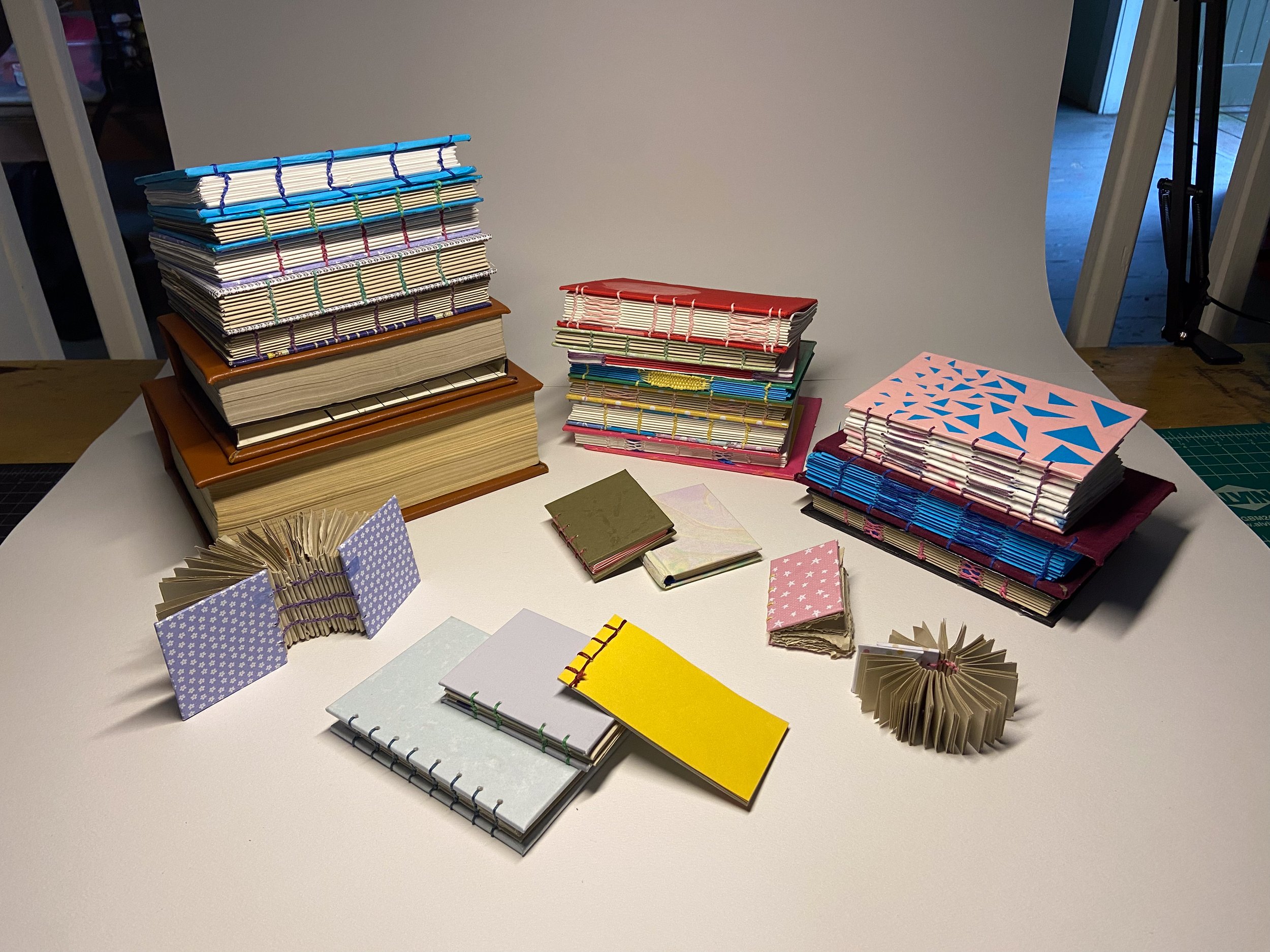
Over the past five years, I’ve worked at Buck’s Rock Camp as a studio manager and lead teacher in bookbinding, papermaking, and paper craft.
Teaching Philosophy
-
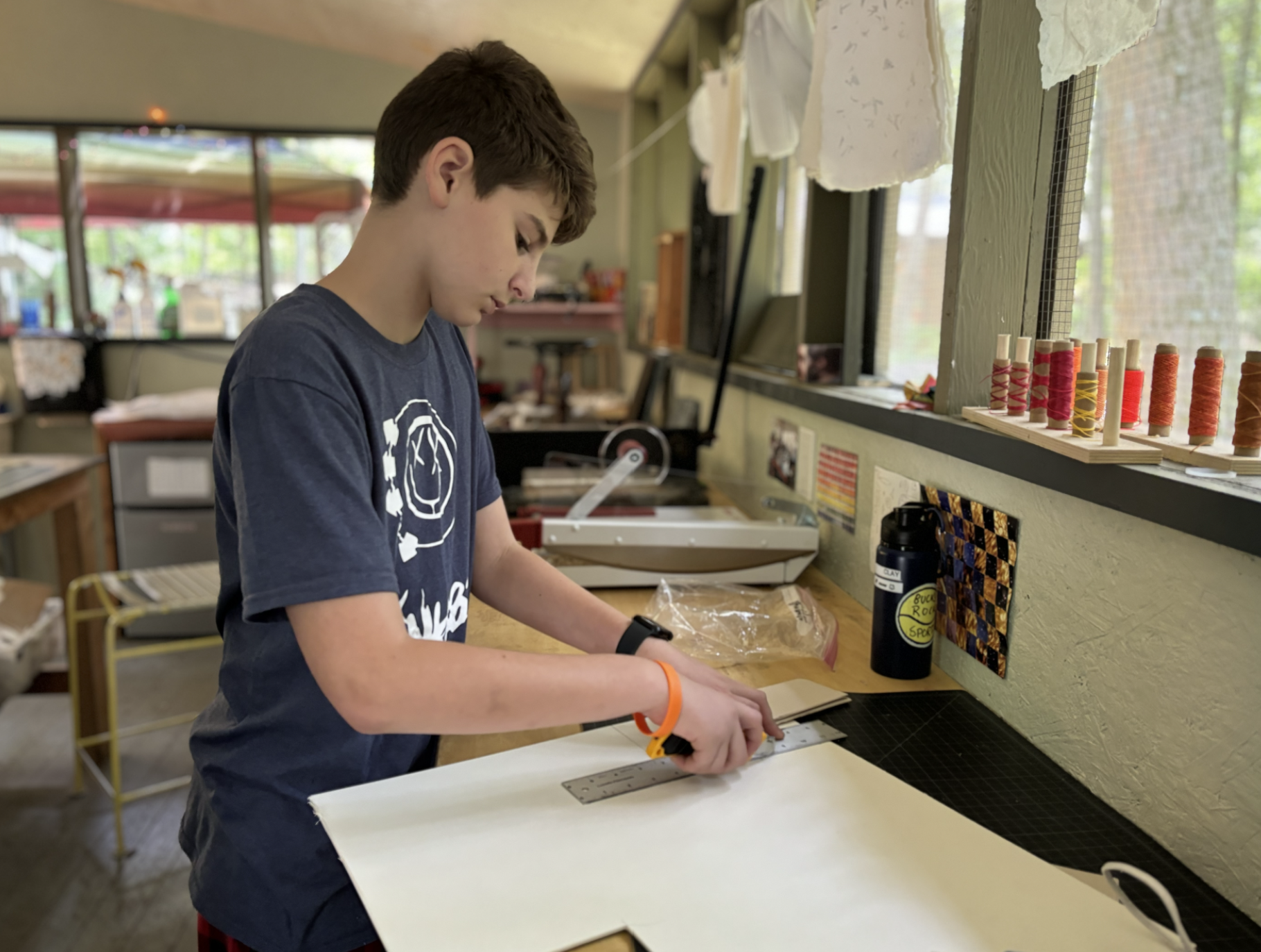
Buck’s Rock is a non-profit community-based art education space informed by the teachings of Maria Montessori. Learners aged 10-17 of mixed backgrounds are given freedom to explore various aspects of art, design, and performance over a summer session.
-
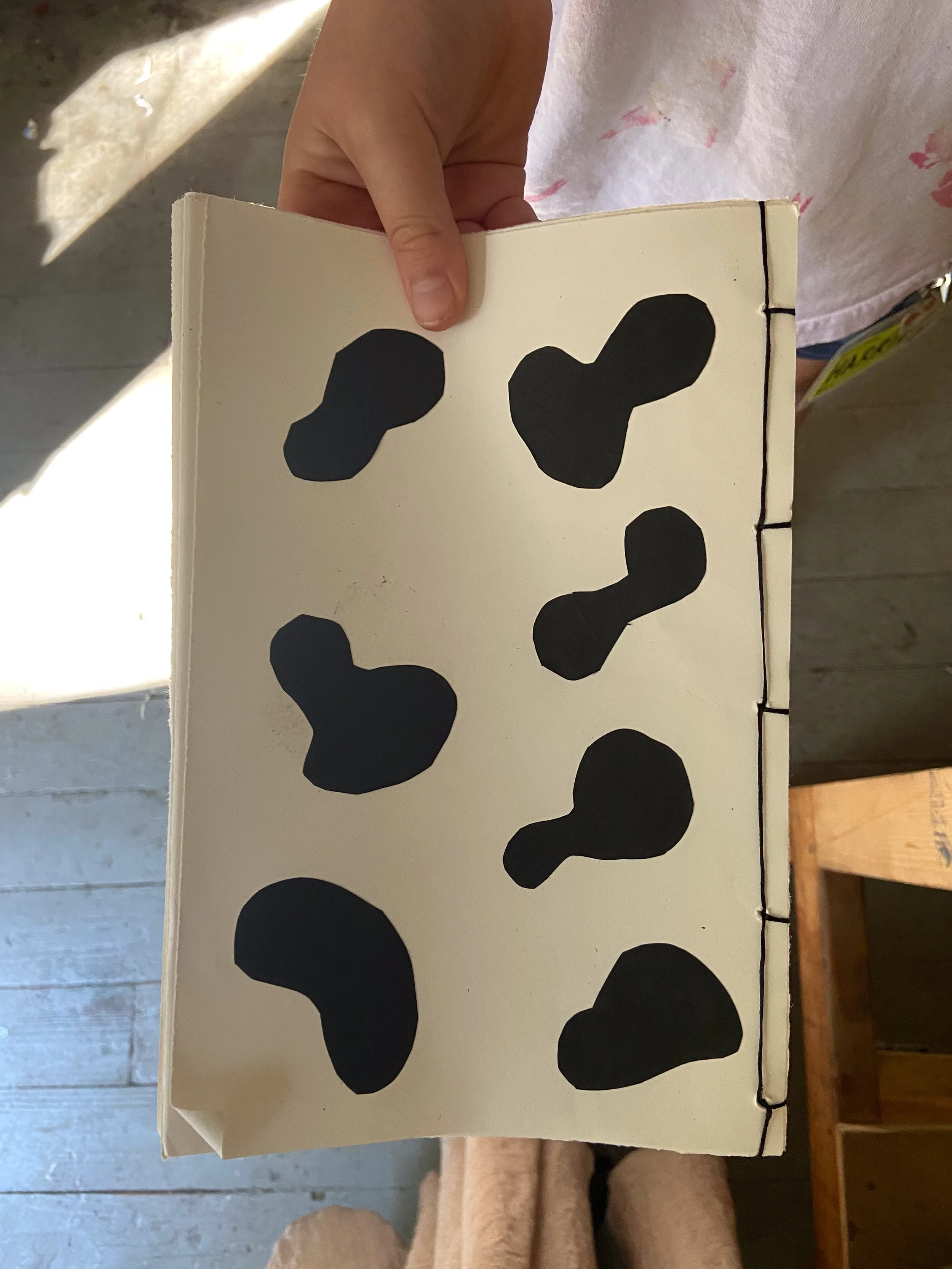
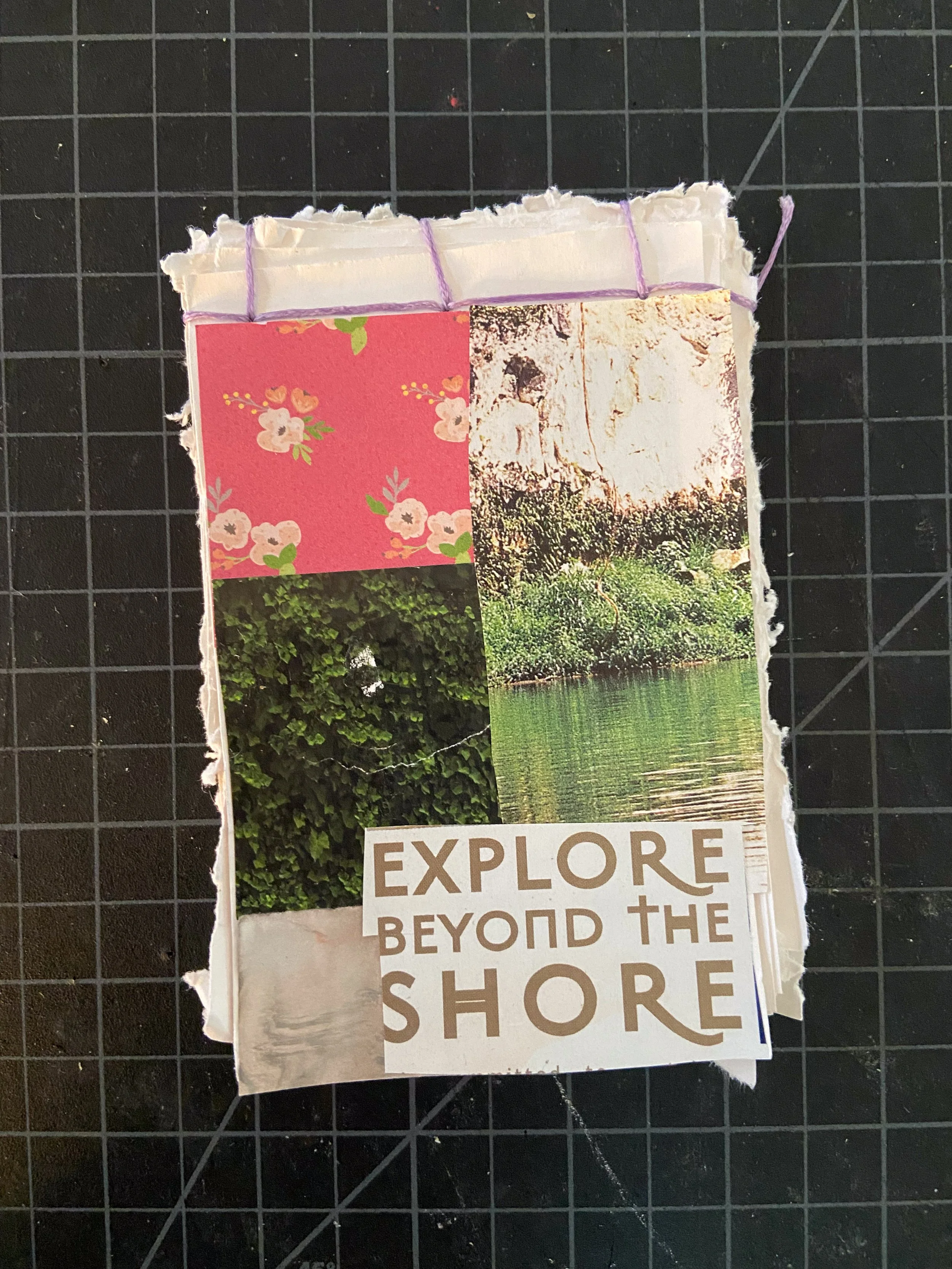
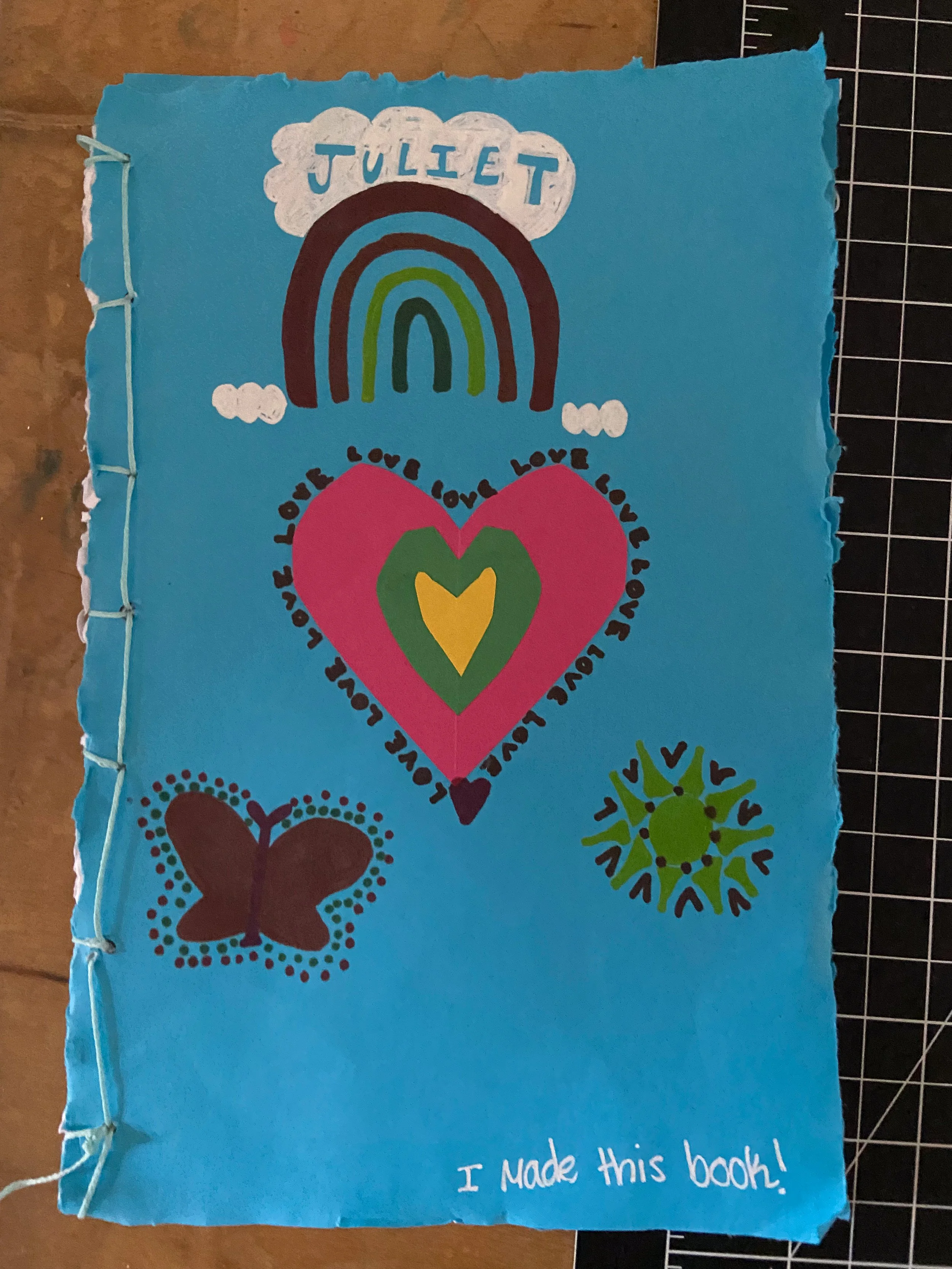
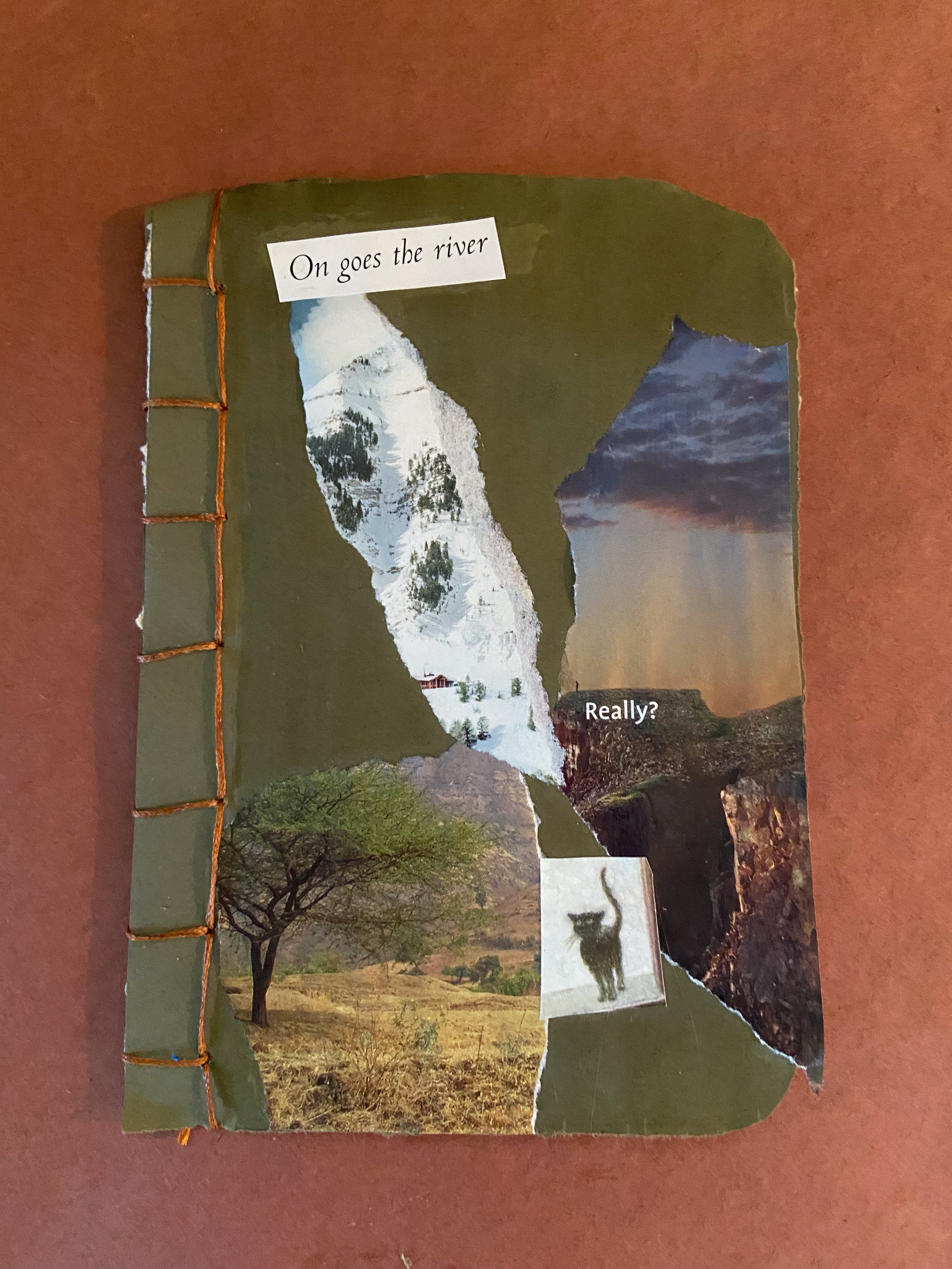
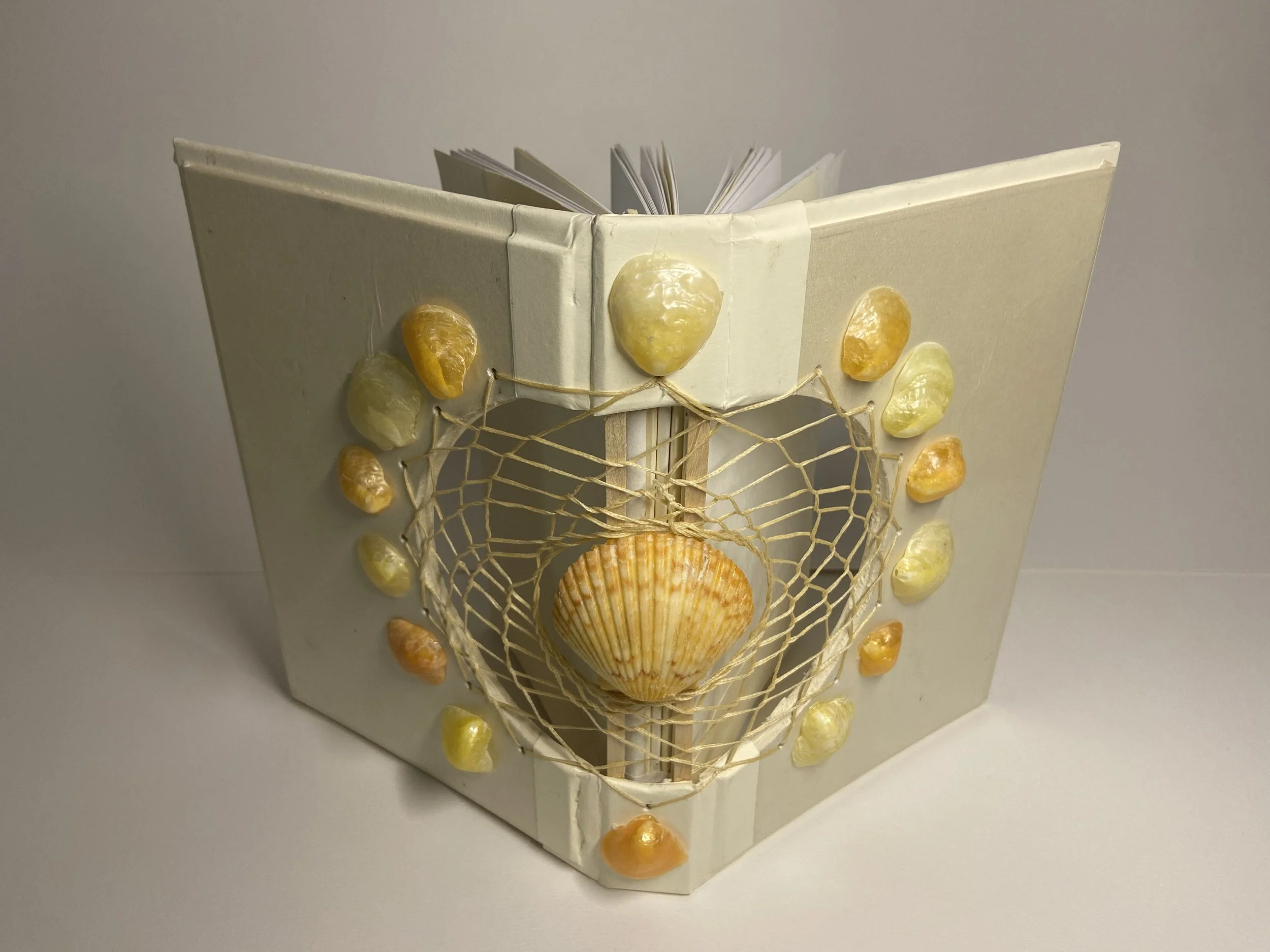
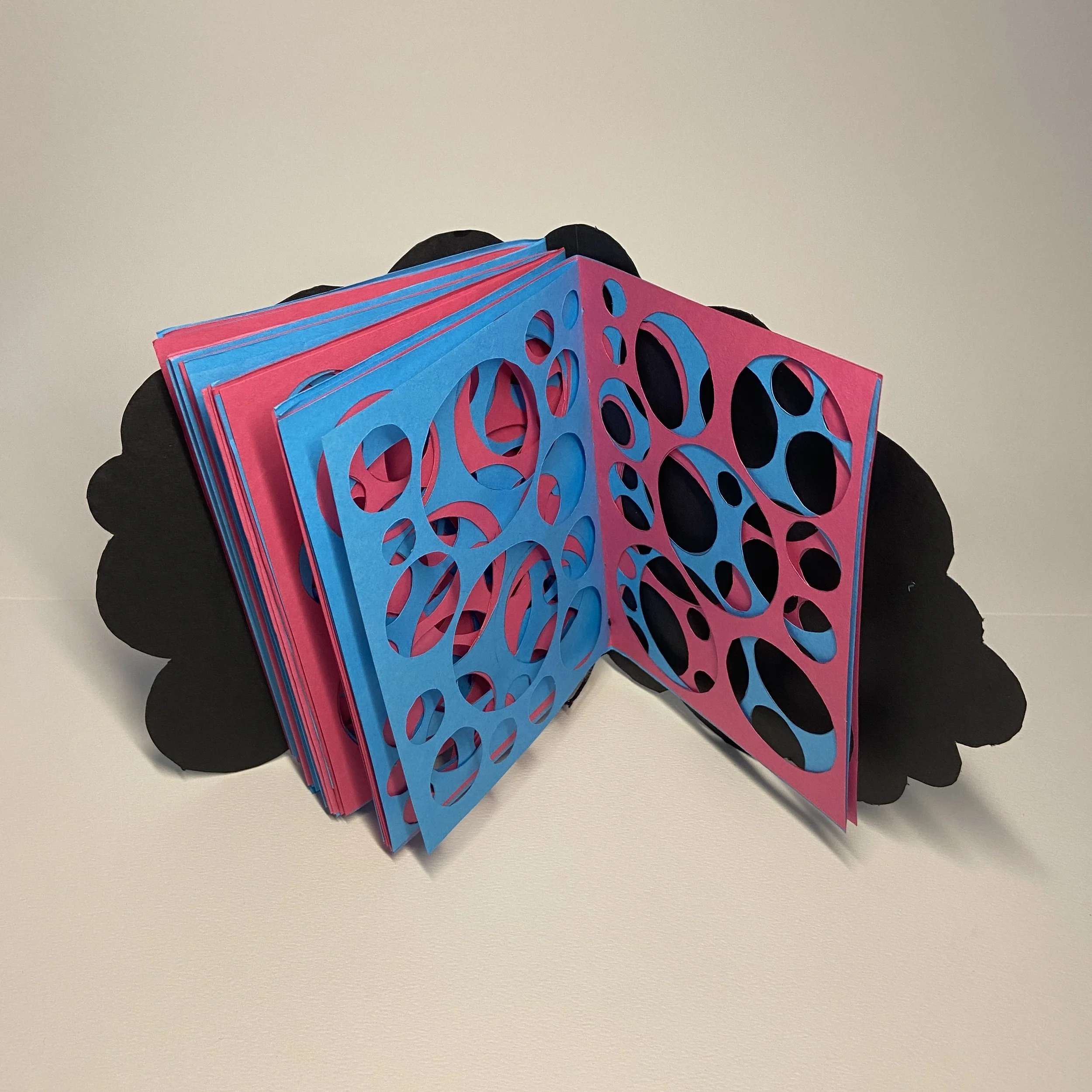
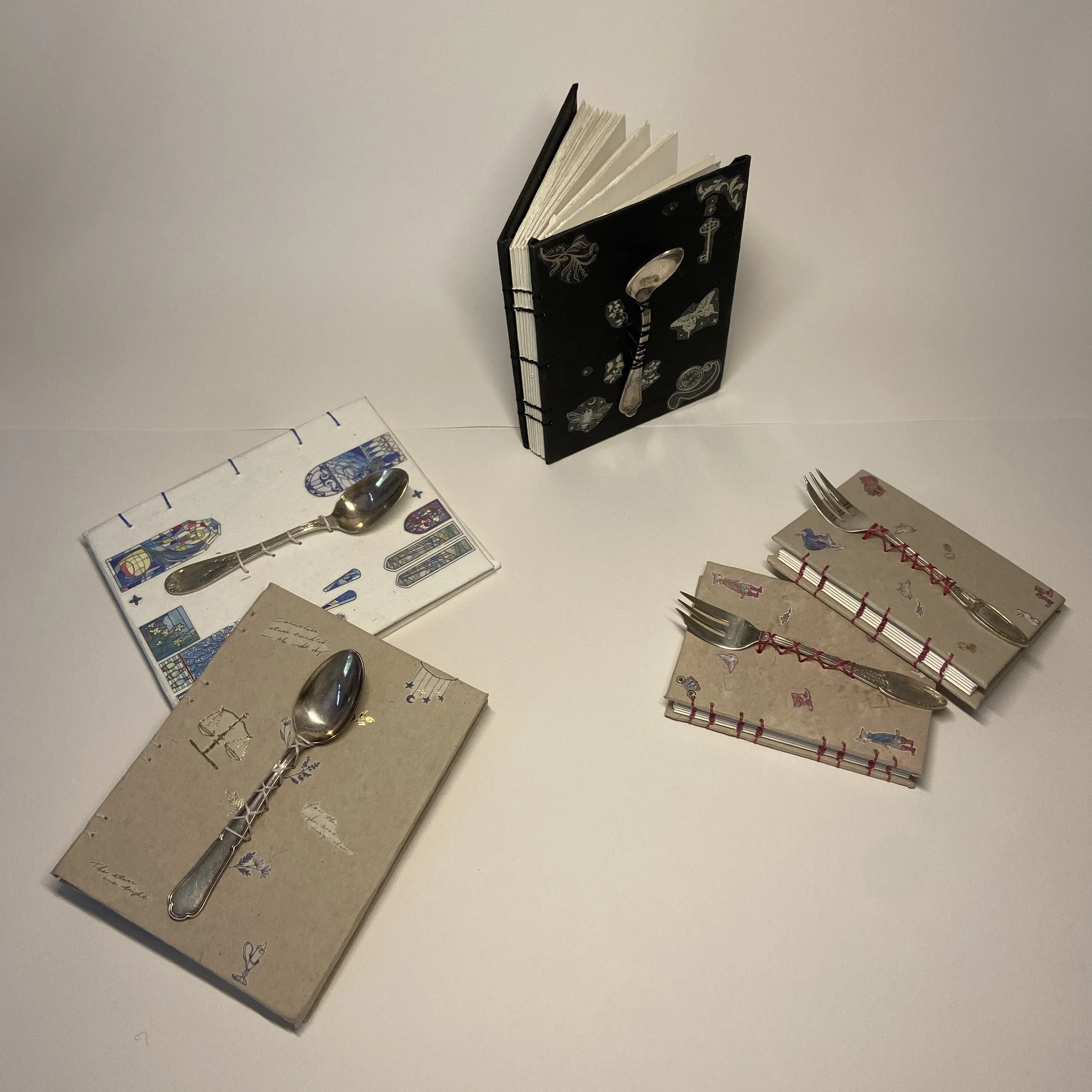
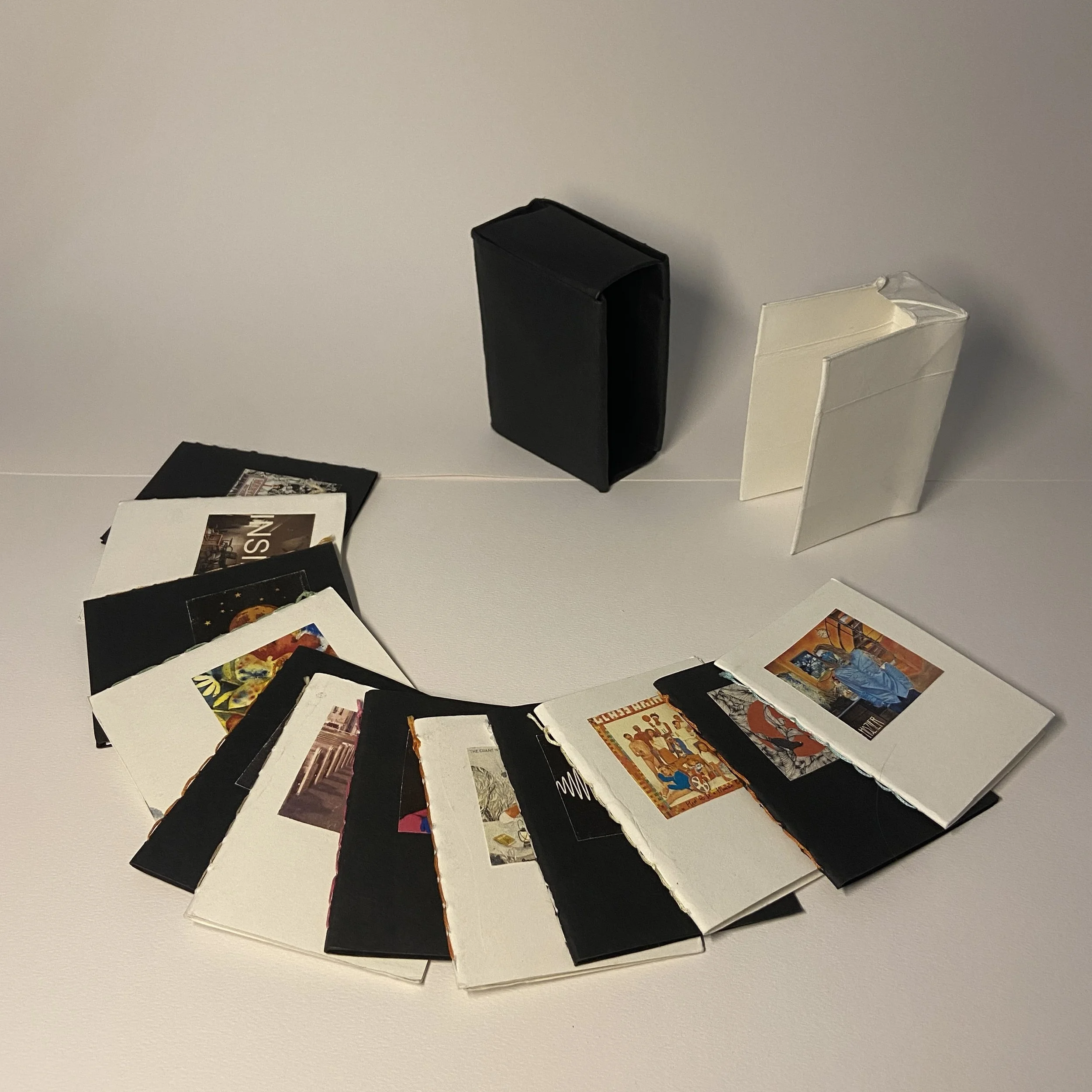
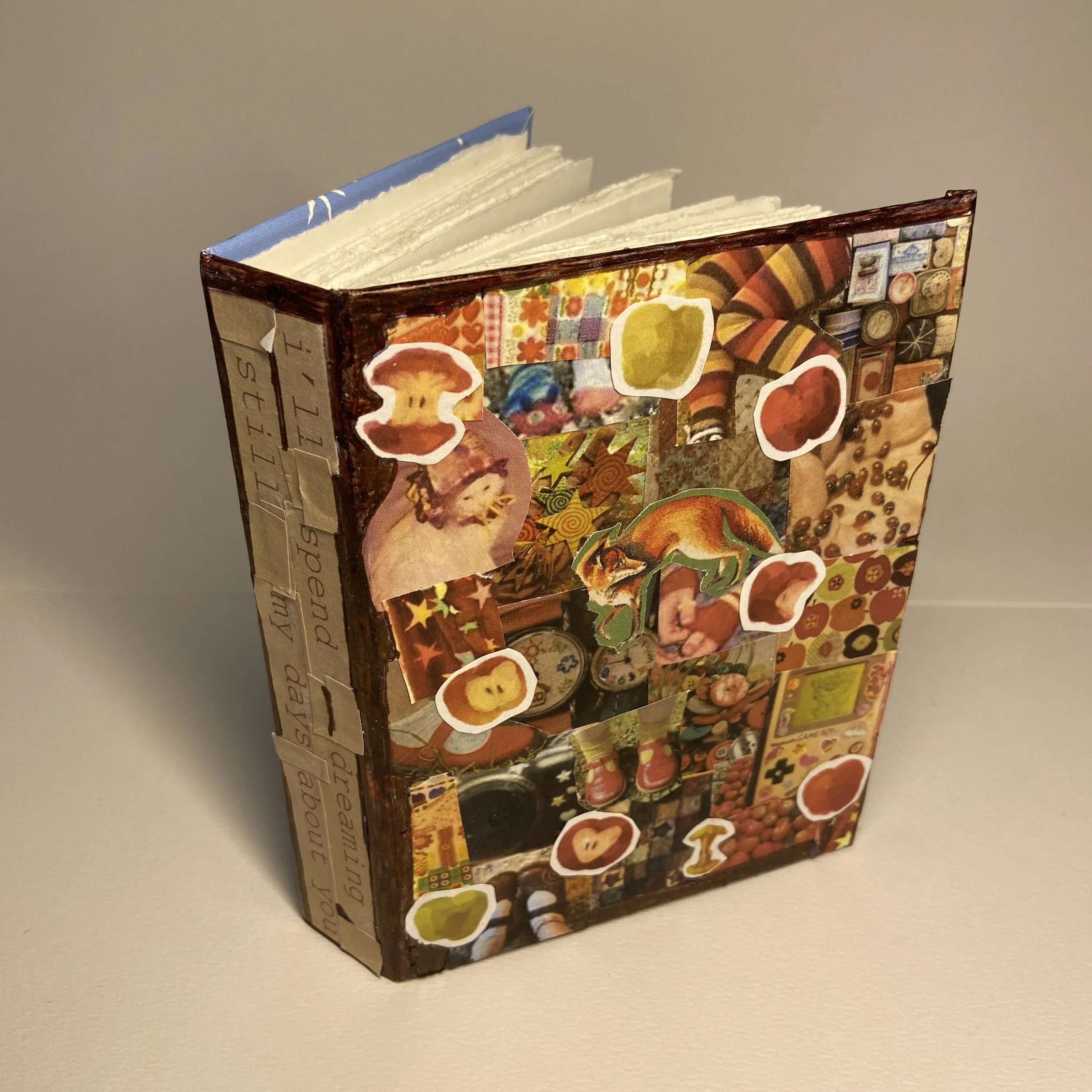
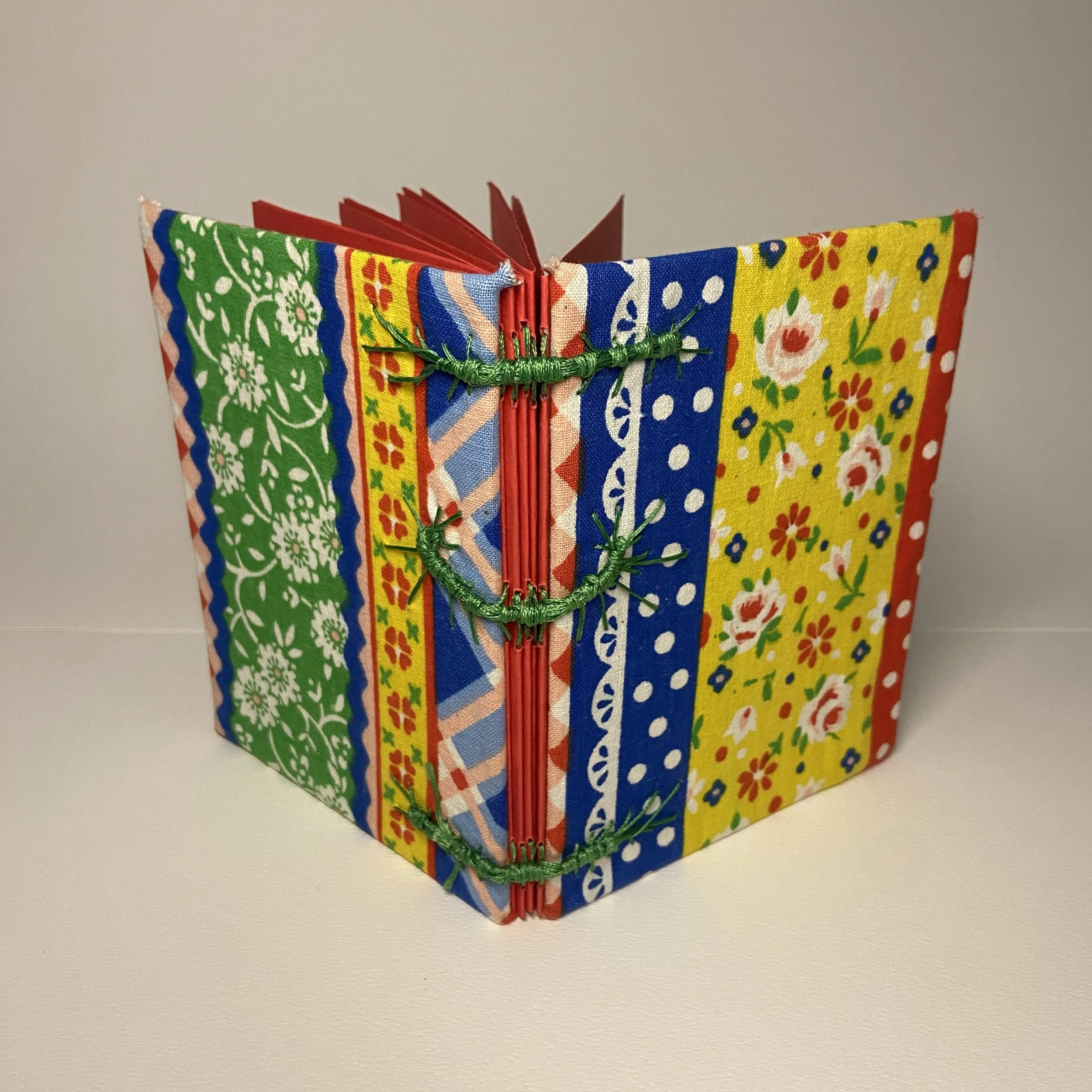
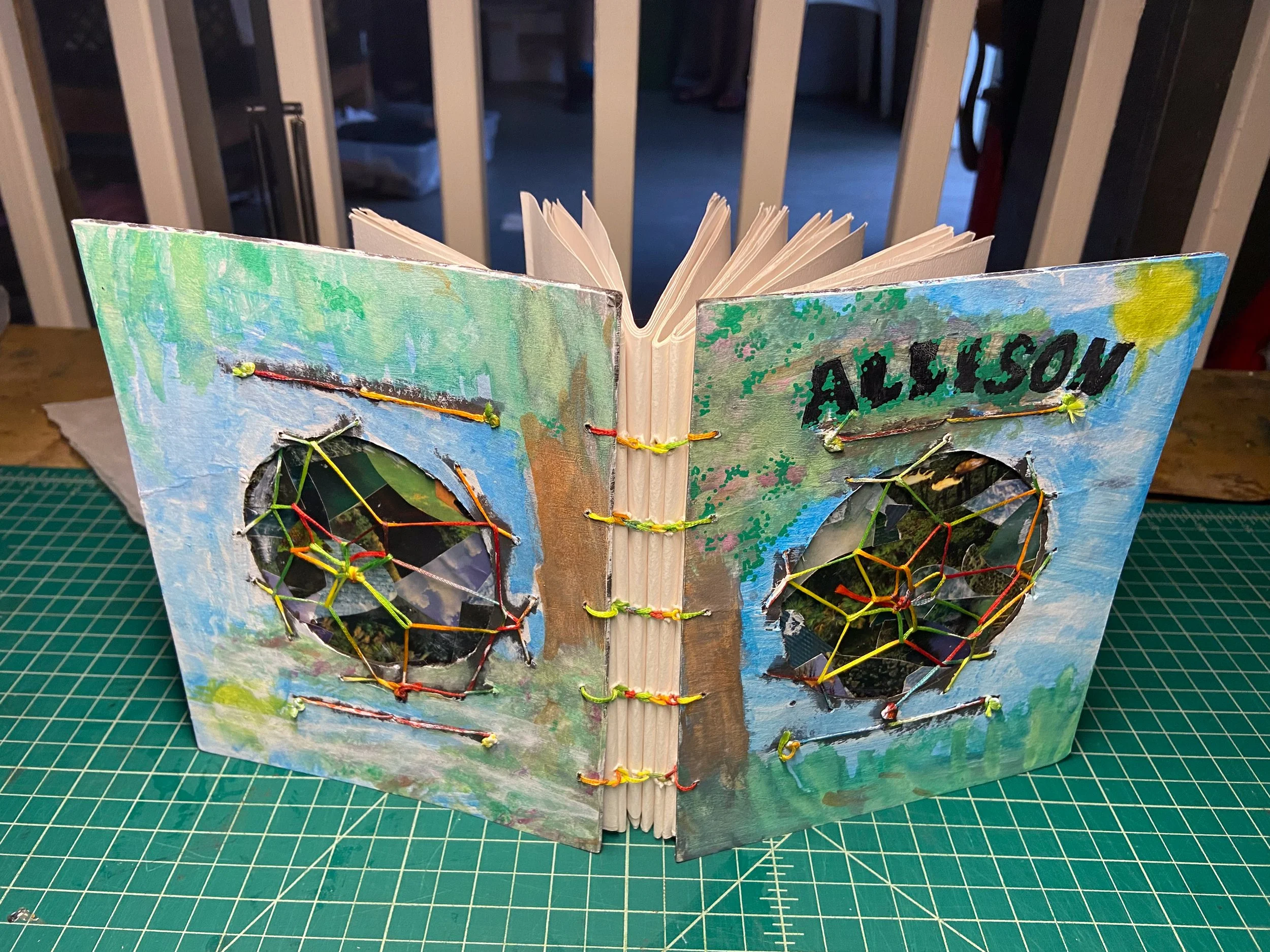
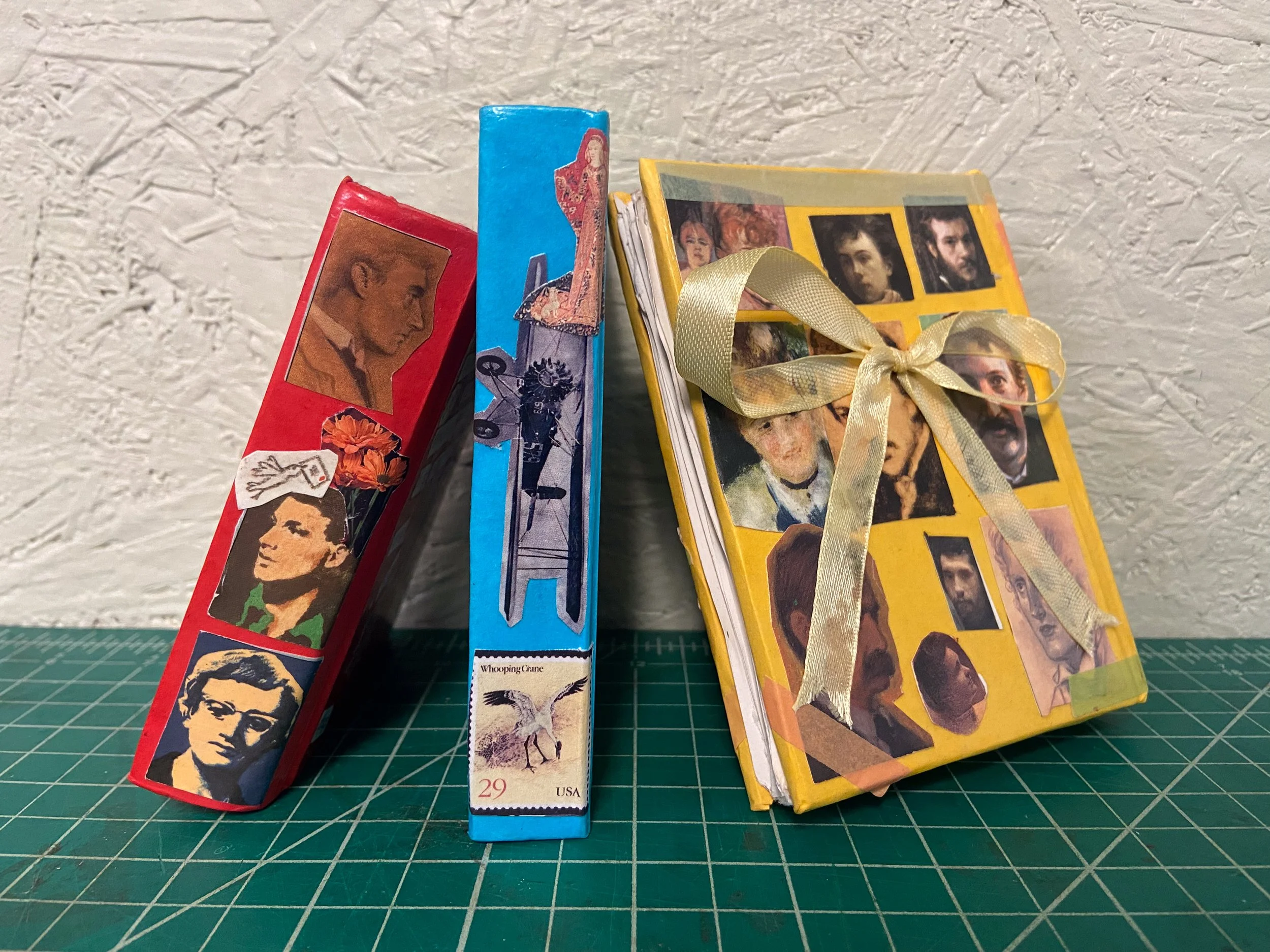
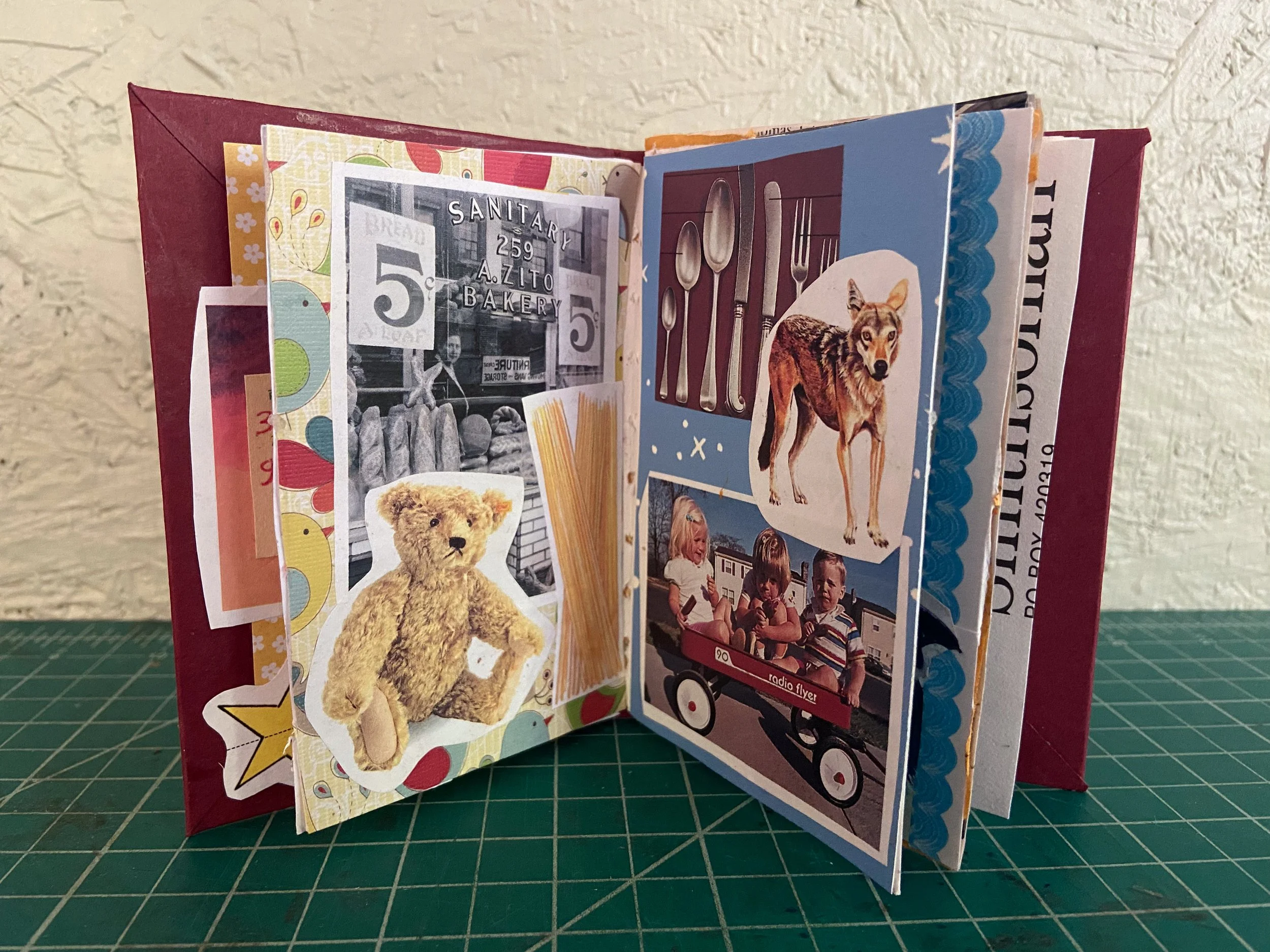
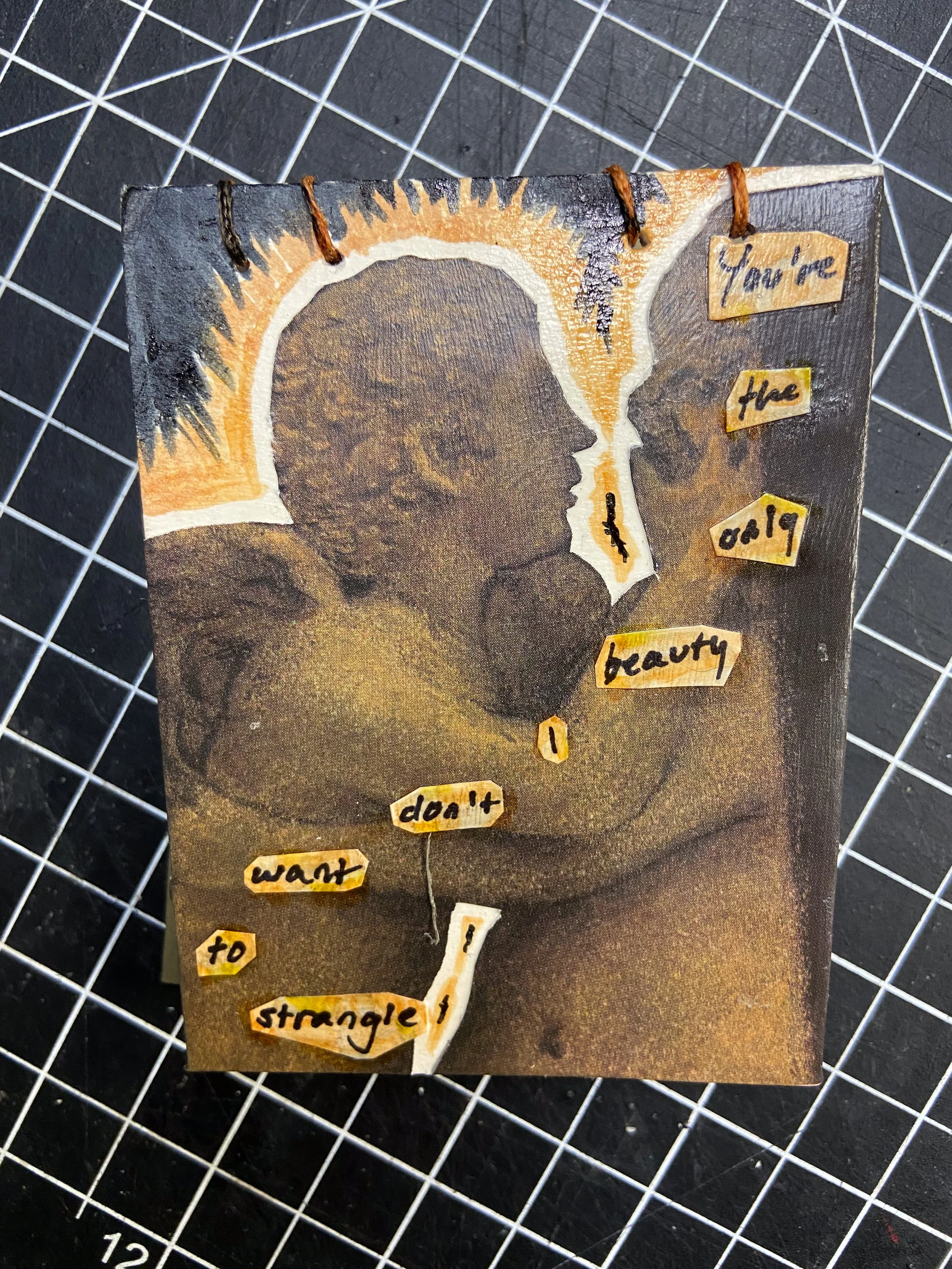
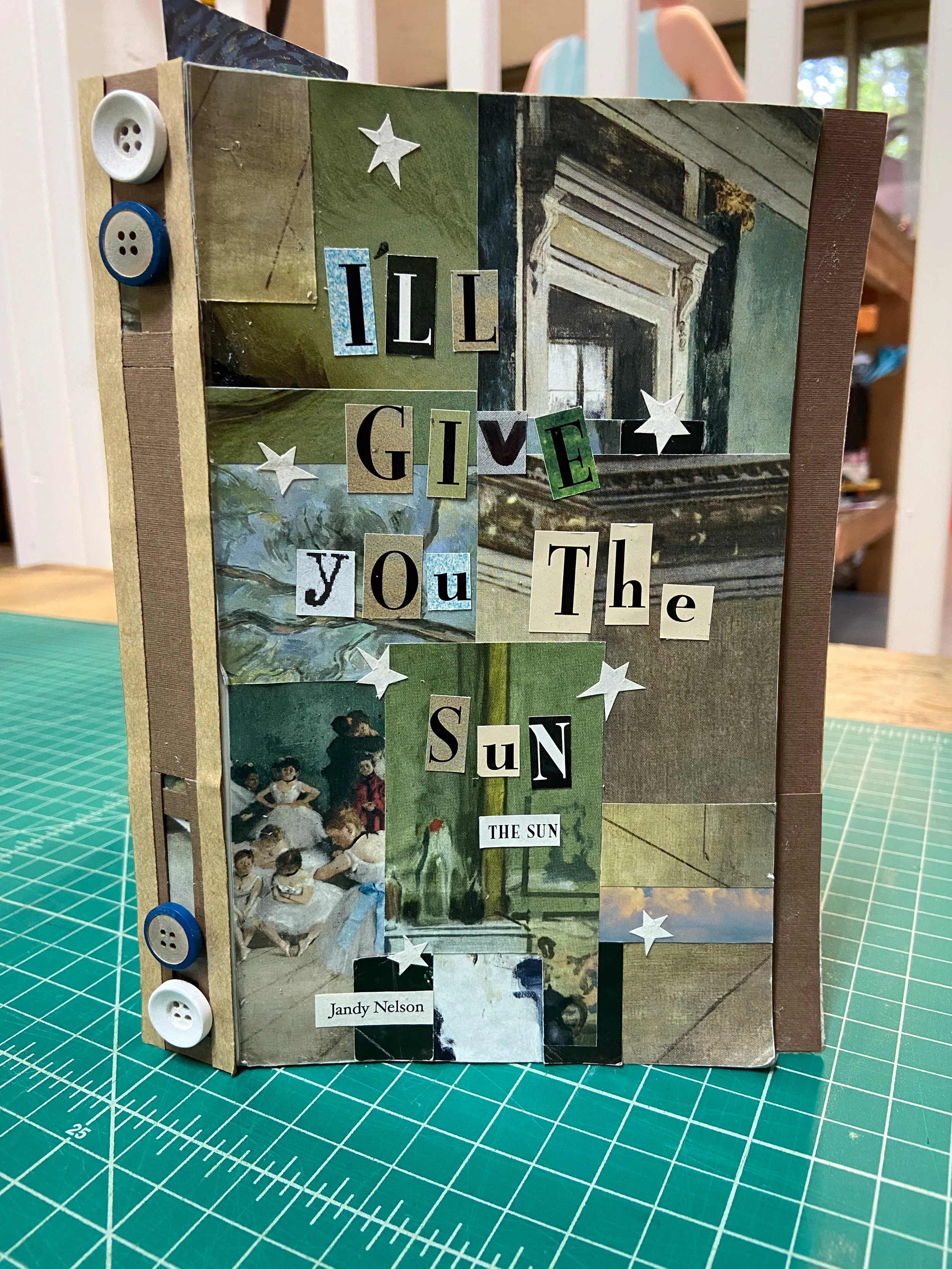
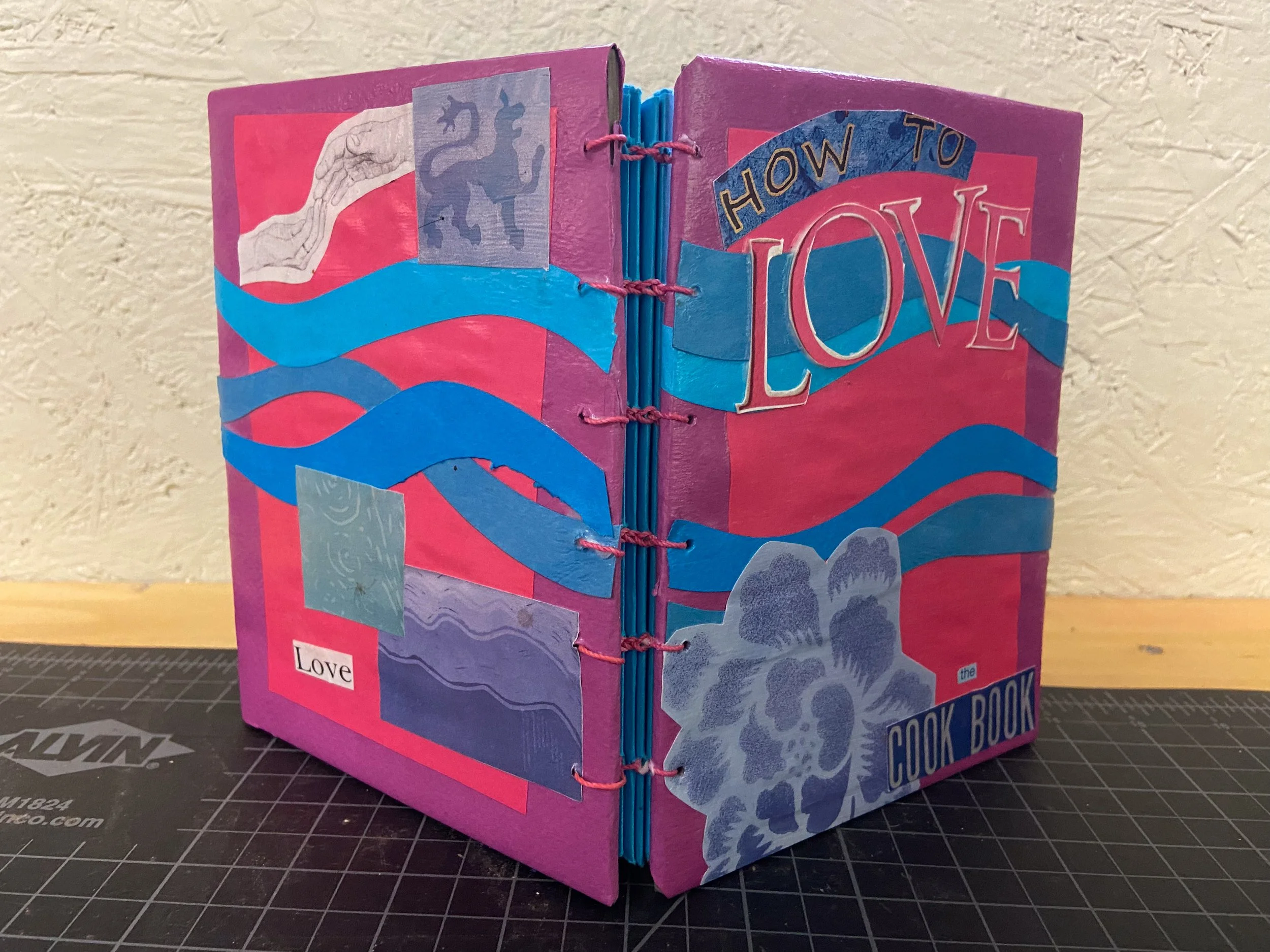
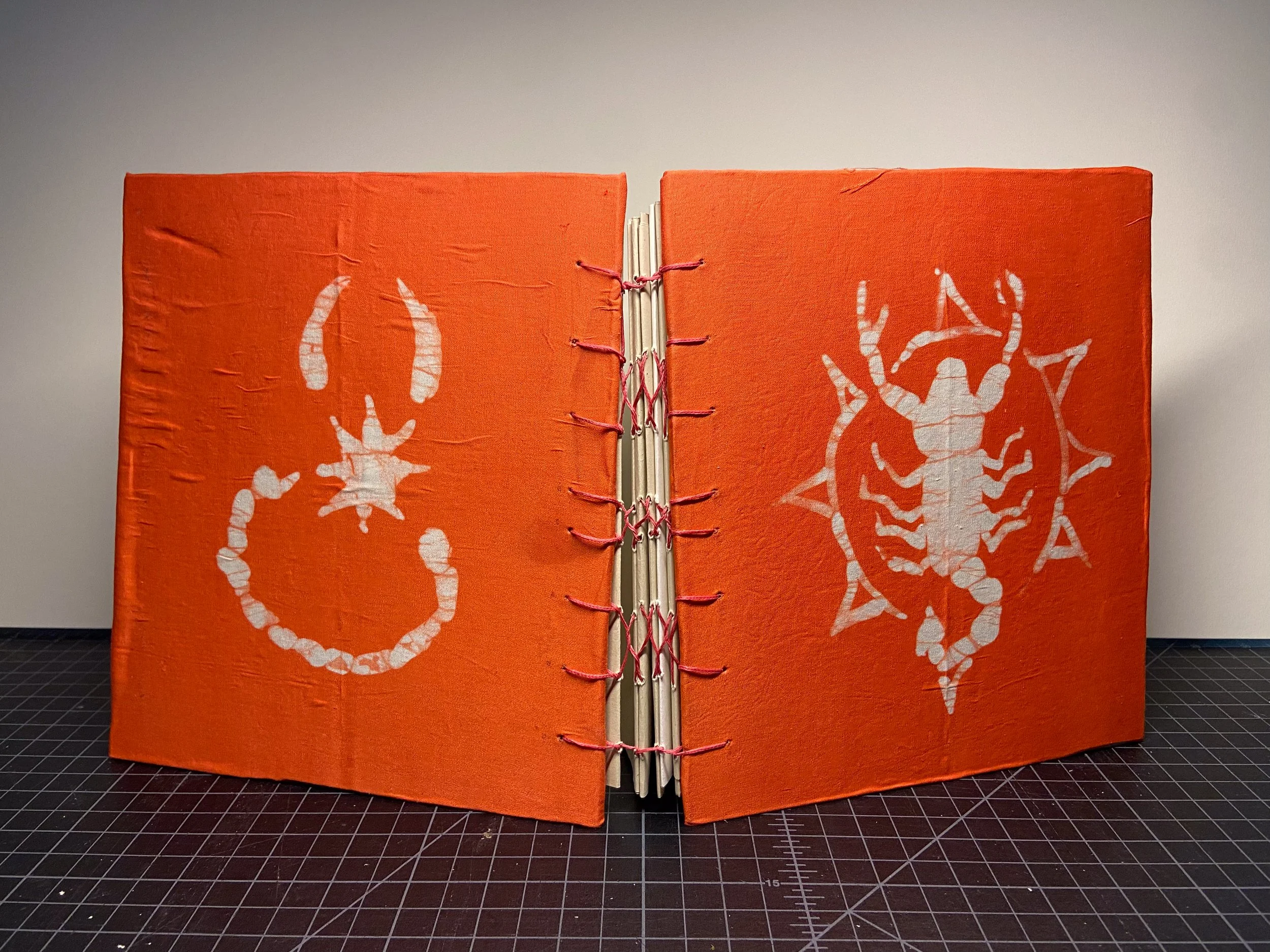
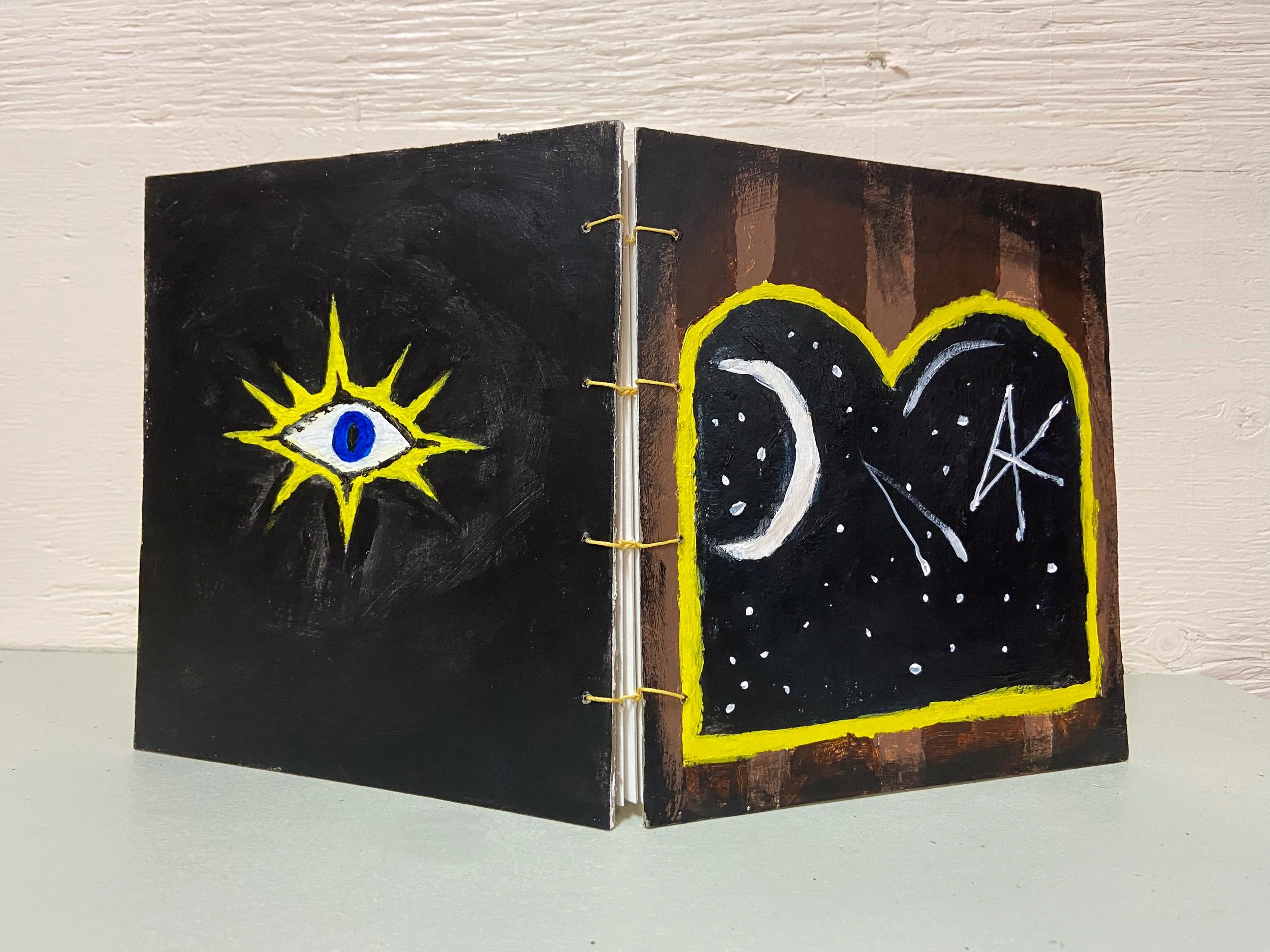
I design learning environments where experimentation feels safe and encouraged. At Buck’s Rock, I’ve seen that when learners know mixed results won’t be judged, they take greater creative risks. I emphasize exploration and reflection over polished outcomes, valuing process as a site of learning. In longer artist’s book projects, for example, I guide learners through reflective discussion about how their ideas evolve, how materials behave, and how intended meaning and perceived meaning shifts through revision. This process-centered approach helps them build confidence, persistence, and a love of making. Learners leave the space more willing to trust their instincts and try something new.
-
The way a space is framed shapes how people learn within it. An inviting, flexible classroom encourages curiosity and collaboration, while clear structure and shared expectations create a foundation of safety. I also frame lessons with explicit goals, relevance, and personal connections so learners understand why their work matters. When expectations are transparent and environments feel collaborative, learners bring more care, curiosity, and energy to their learning.
-
I approach teaching as a conversation rather than a performance. By posing open-ended questions and inviting learners to contribute knowledge, everyone in the room becomes both teacher and student. When learners see that knowledge is co-created, they take greater ownership of their learning and feel empowered to question, adapt, and experiment.
-
I teach with care for learners’ full selves. Everyone enters the classroom with unique identities, experiences, and needs. In mixed-age and mixed-background settings, I design lessons with multiple entry points, paces, and processes that lead toward shared learning objectives. I strive to create environments that honor both individual expression and collective growth, where learners can reflect on who they are and how they relate to others. I model the openness I hope to foster, sharing parts of myself and demonstrating that learning is a vulnerable, ongoing process.
-
I teach art as a way for learners to question, reflect, and respond to the world around them. Creativity is not separate from life, it’s a means of understanding and shaping it. My goal is for learners to use their artistic practices to explore issues that matter to them, such as identity, community, and justice. When young people feel disconnected, art education can help them build community, purpose, and agency.
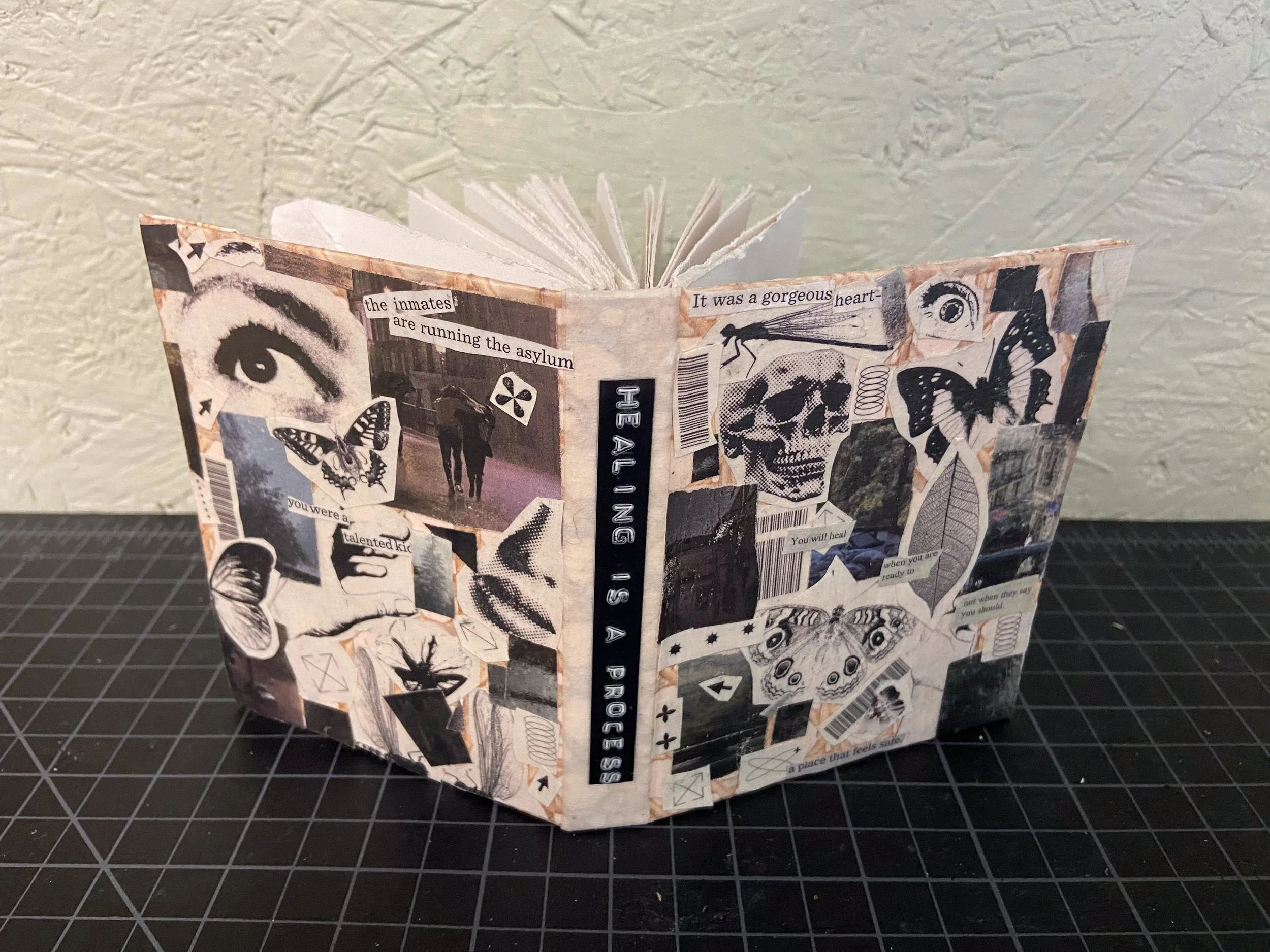
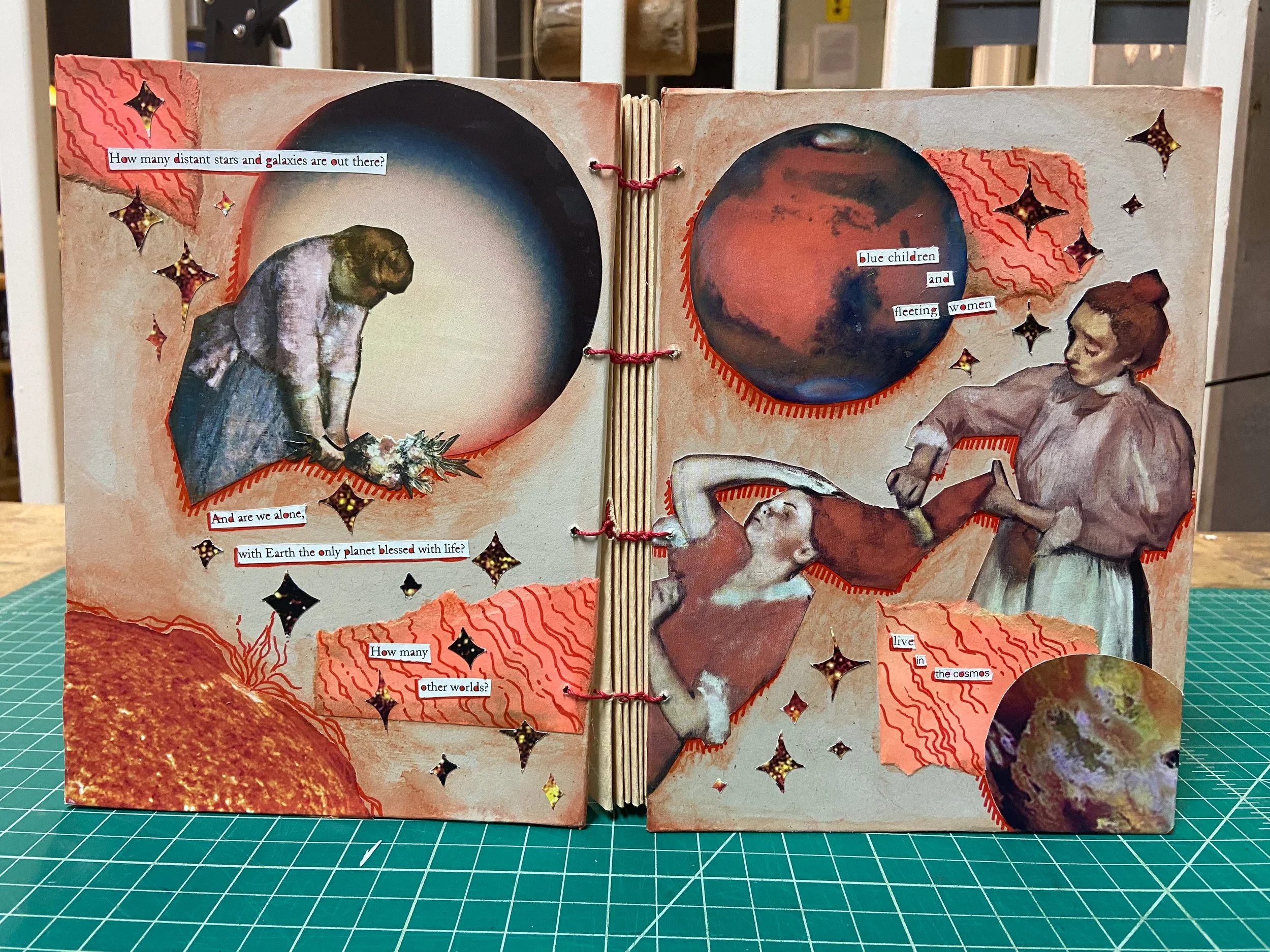
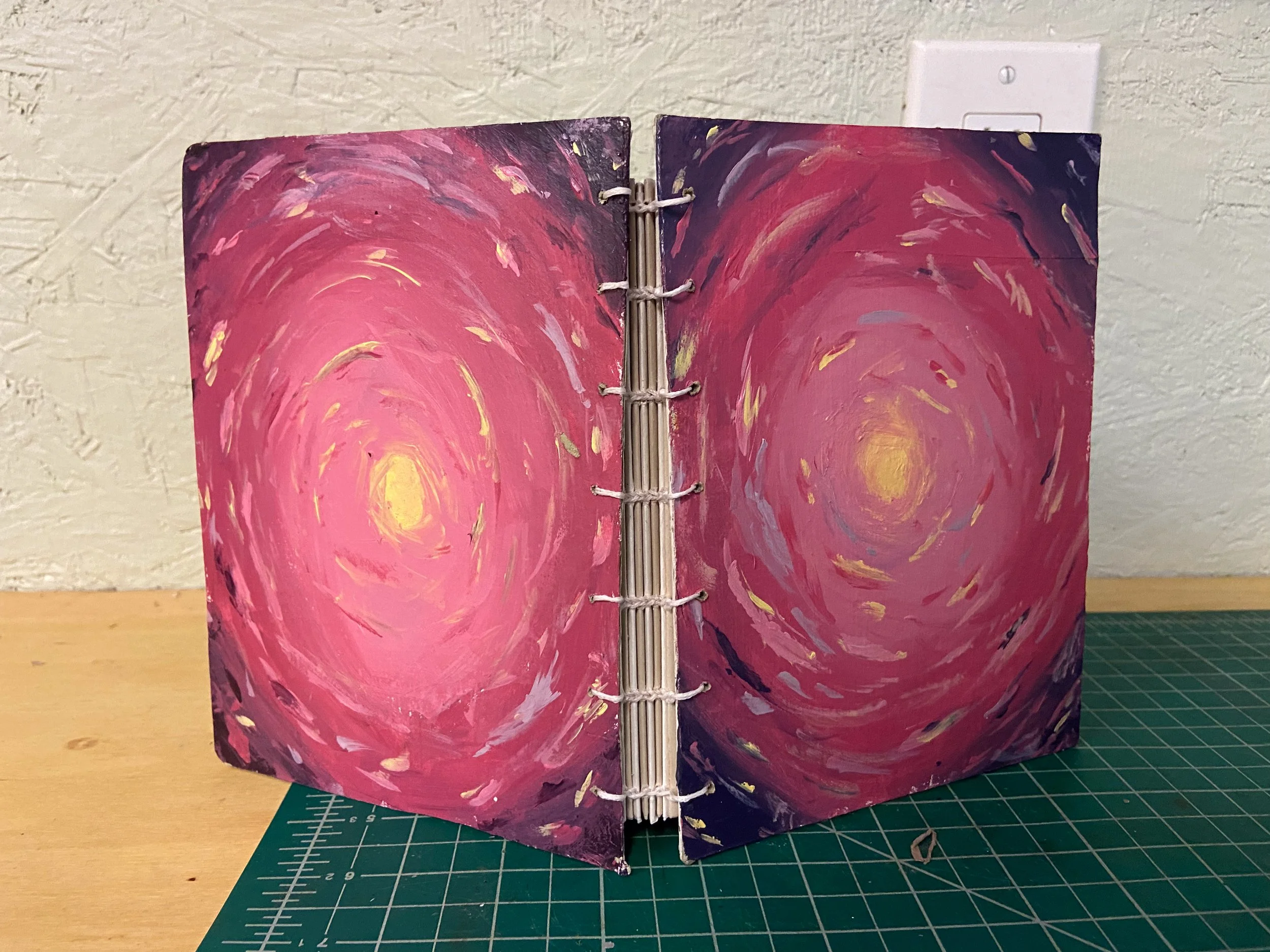
Age 15+ Gallery
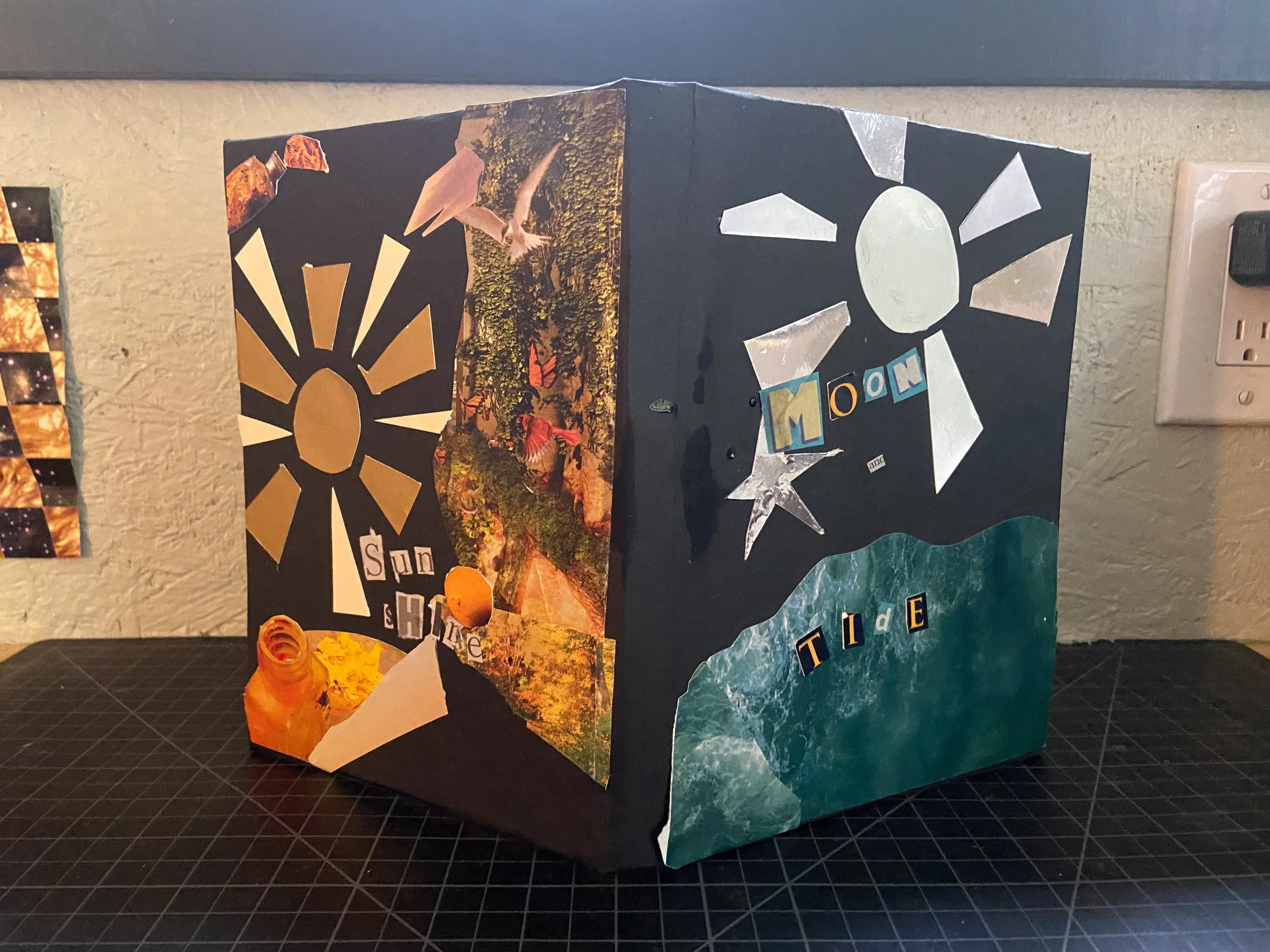
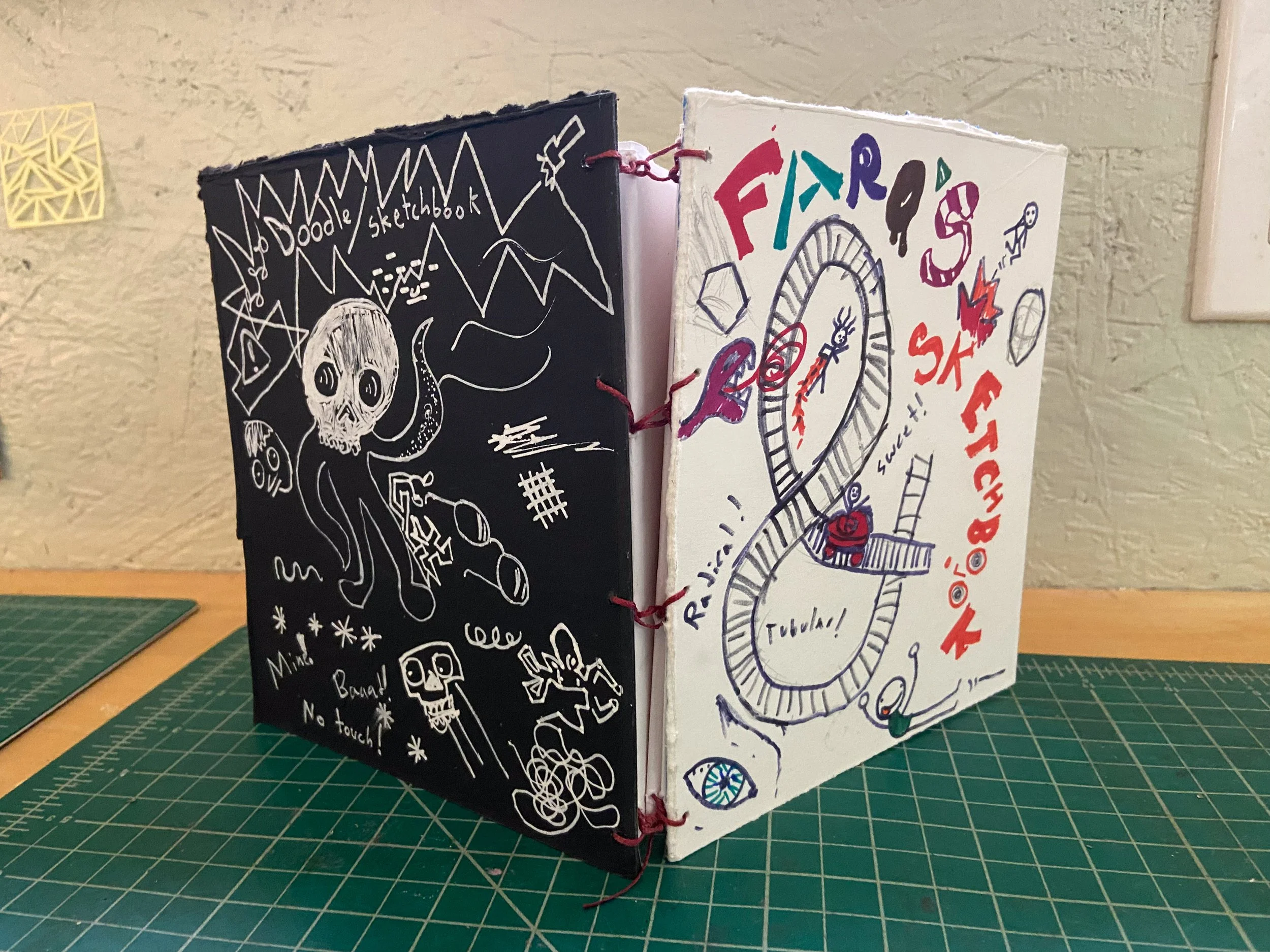
Age 12-15 Gallery
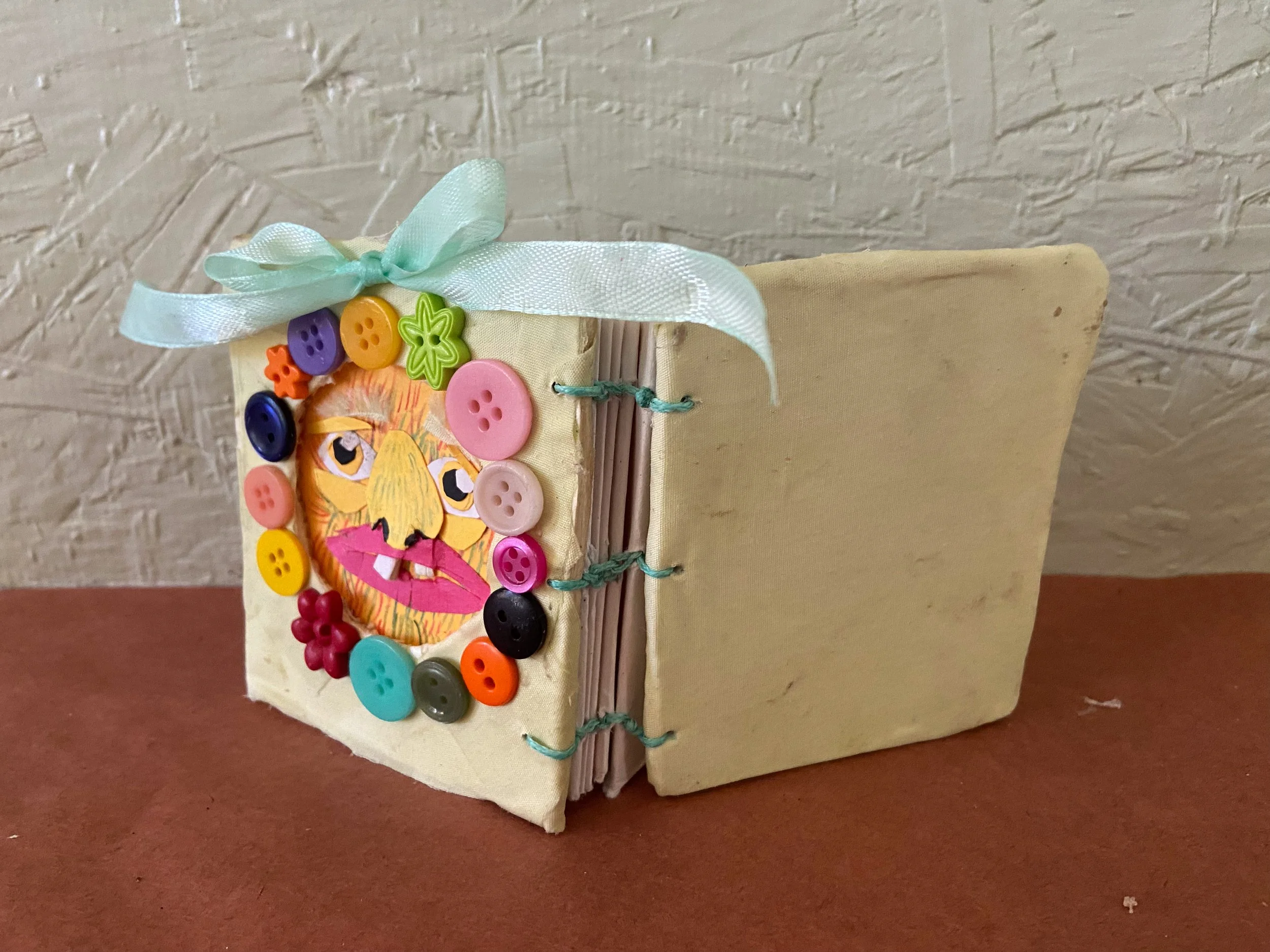
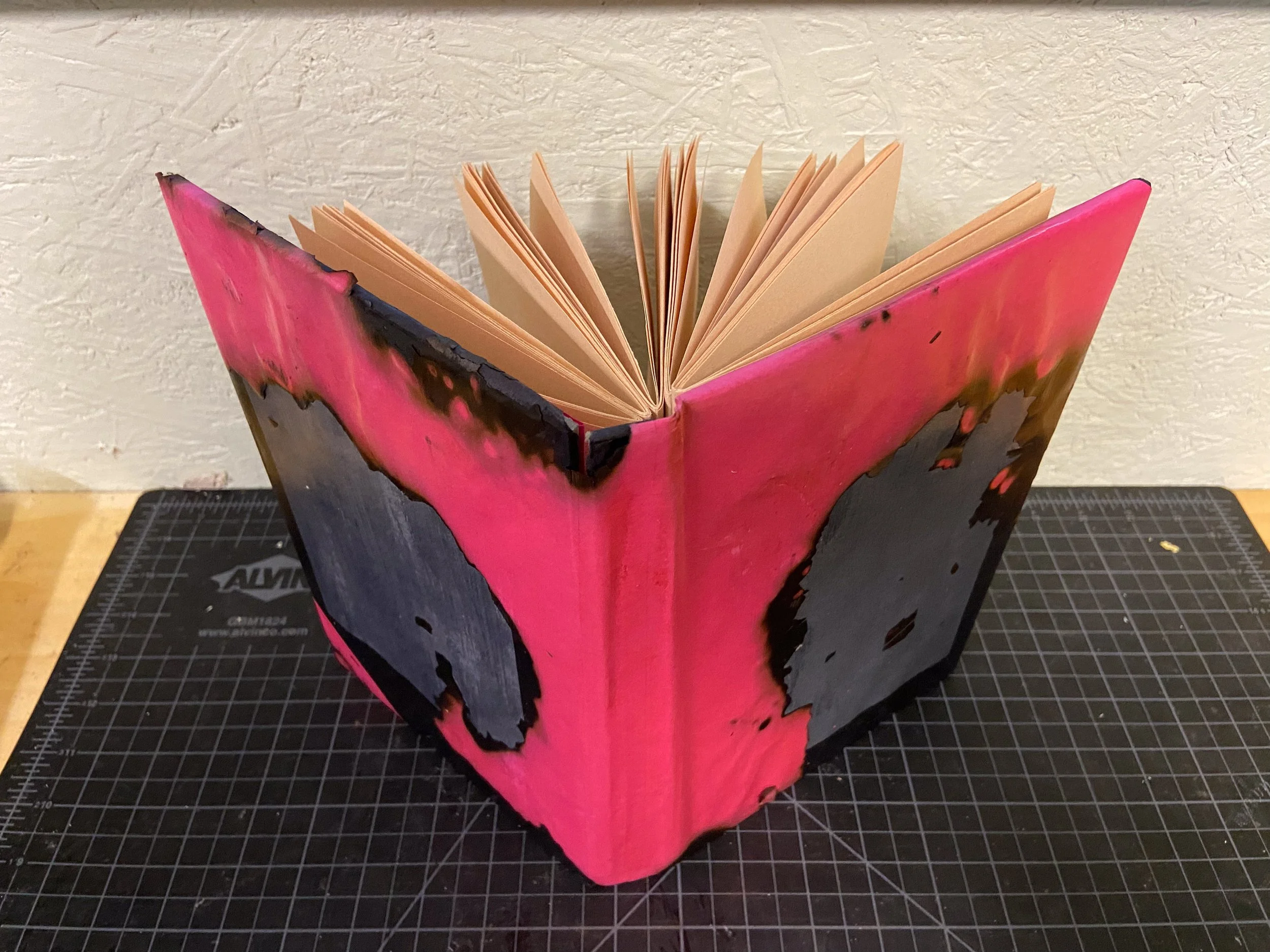
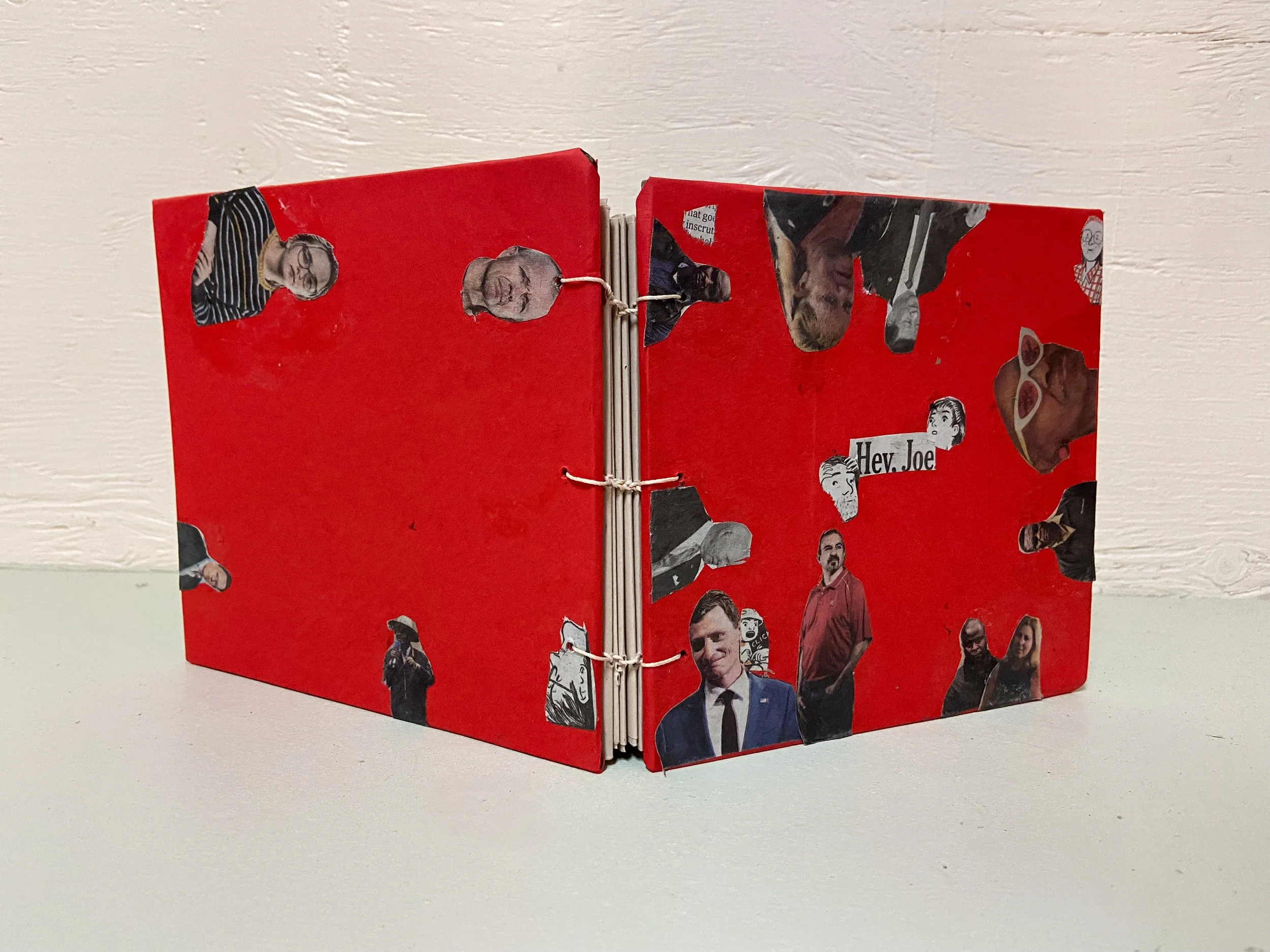
Age 9-12 Gallery